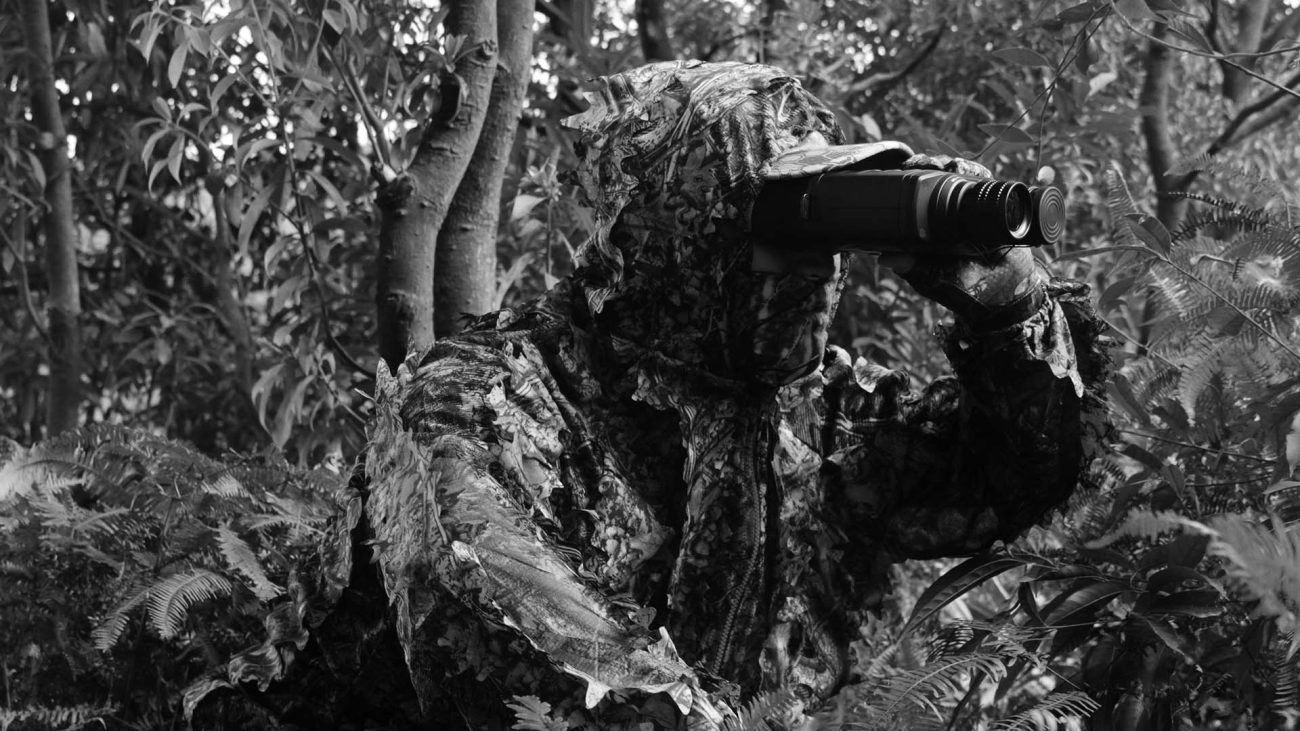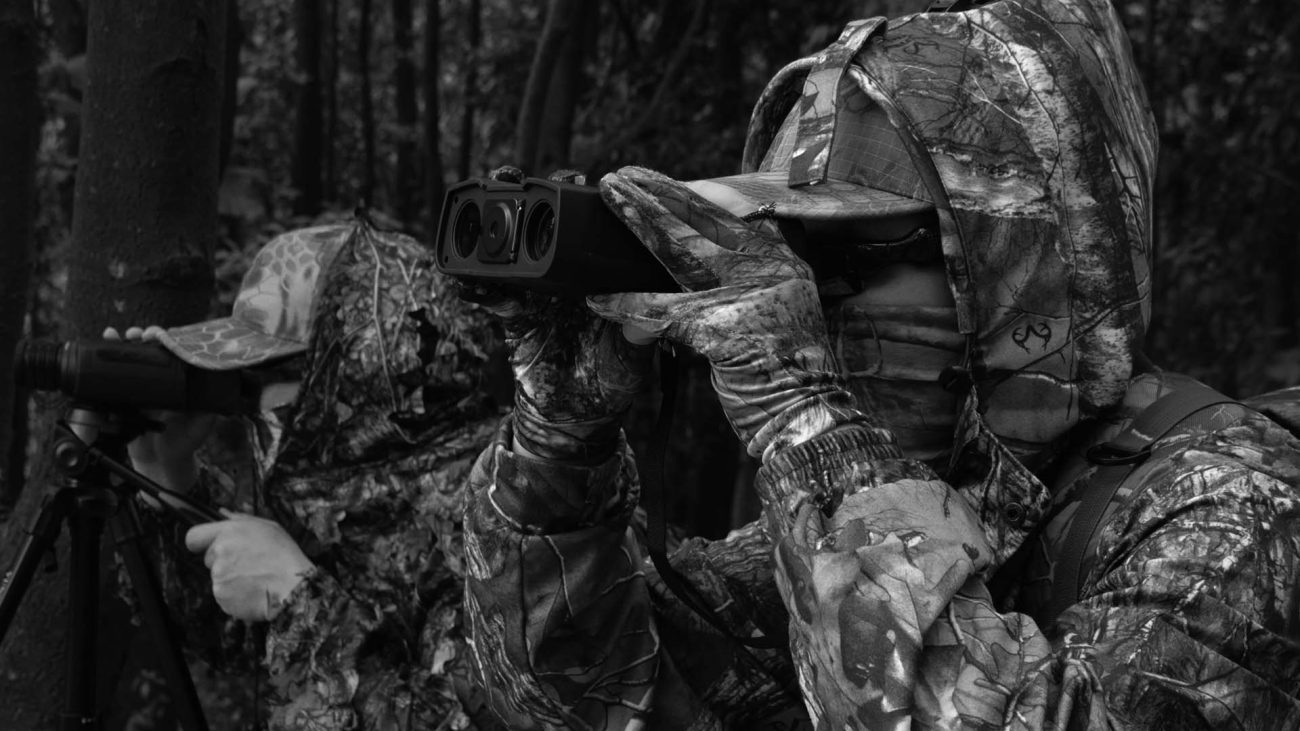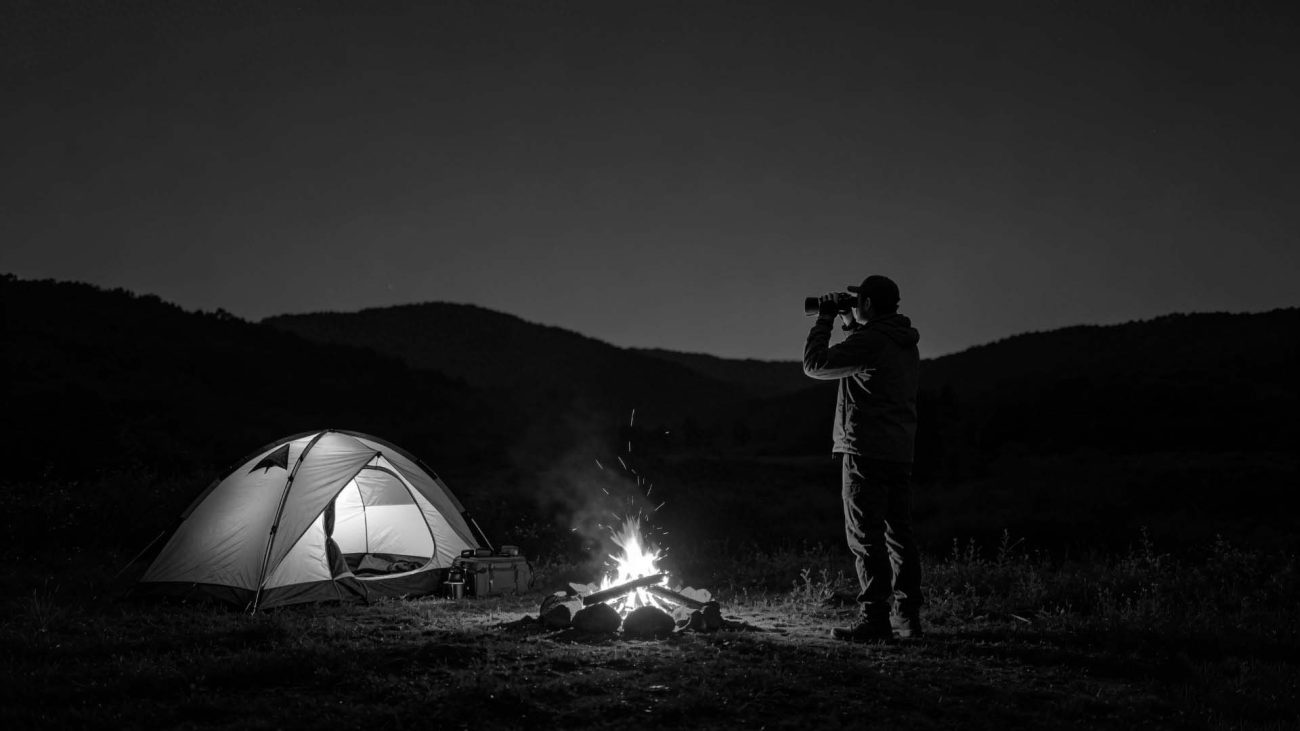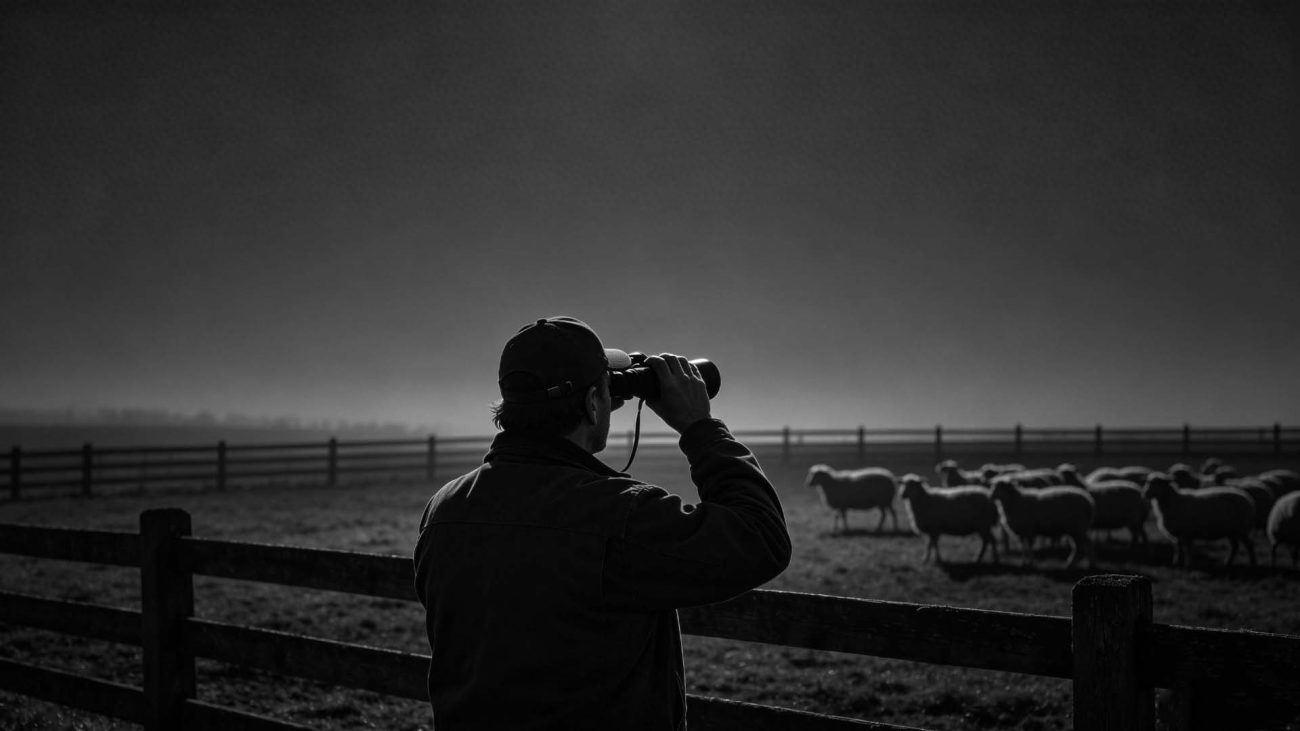


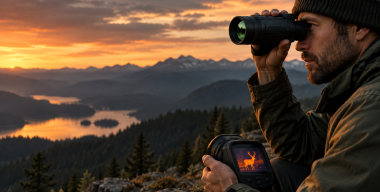
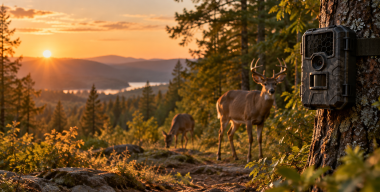


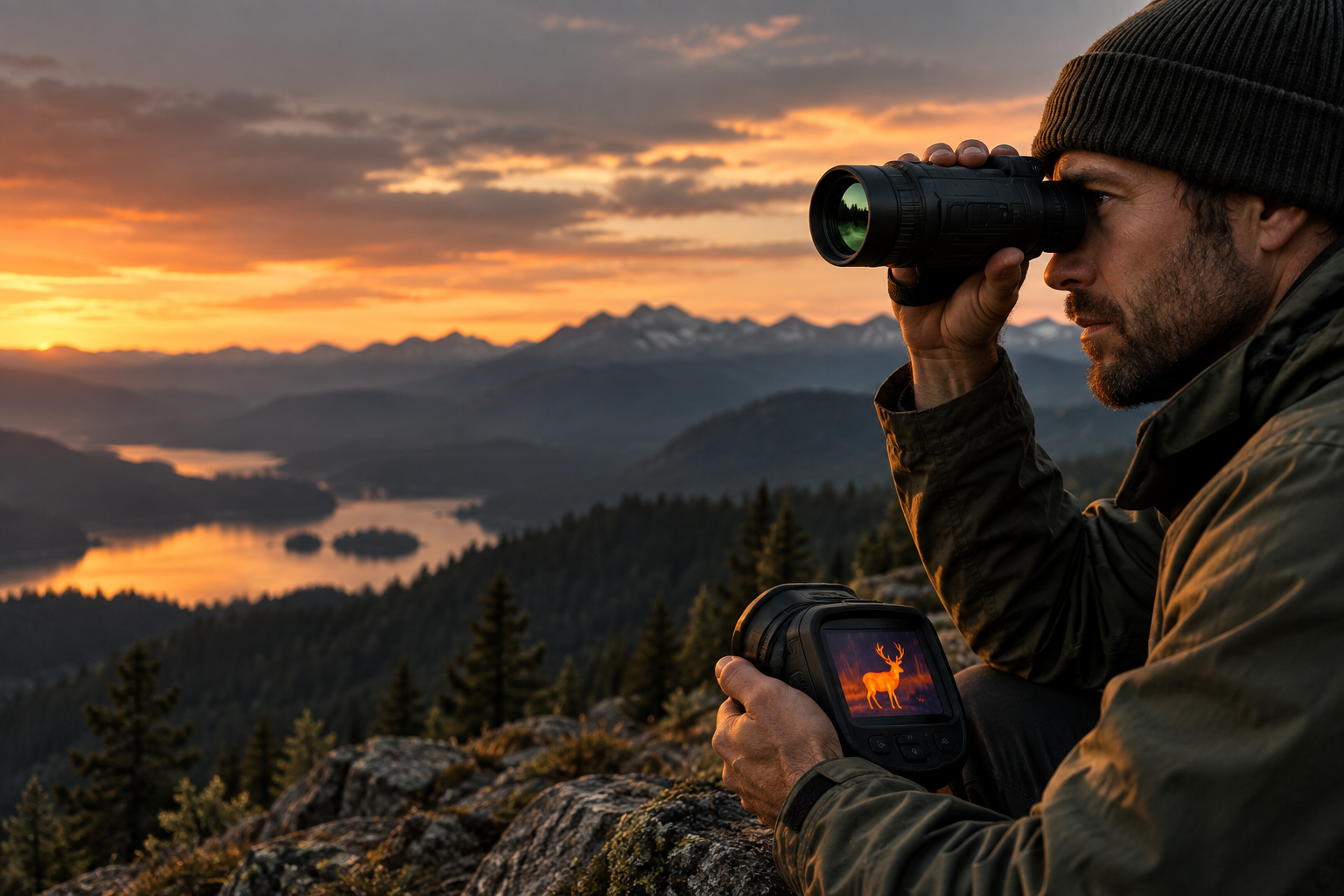

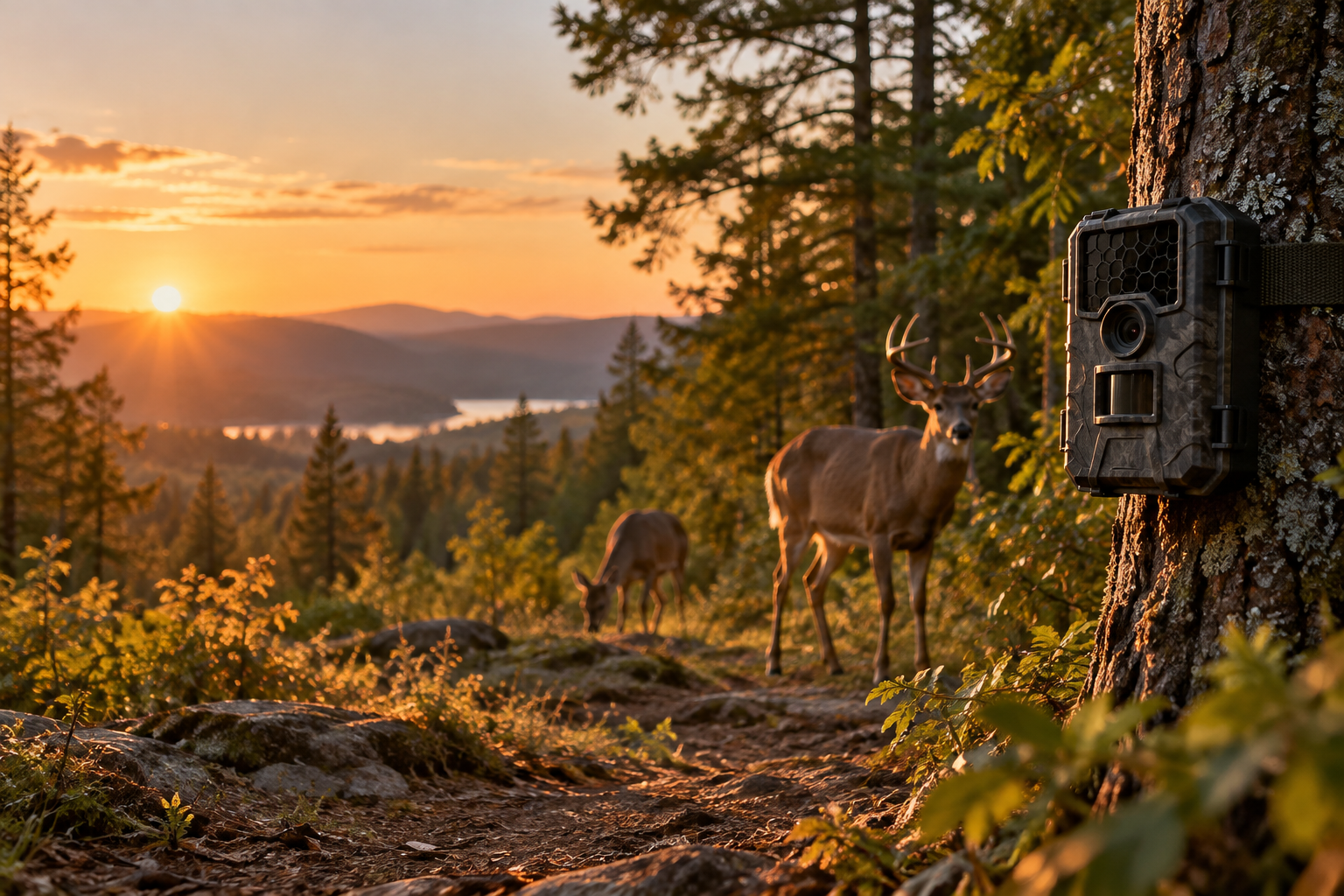









What Importers Should Know About Infrared Night Vision Binoculars for Livestock Pasture Observation

Practical Answer
infrared night vision binoculars can be a useful B2B product for livestock pasture observation when importers verify IR performance in real outdoor darkness. Private label buyers should test infrared distance, image clarity, battery behavior, accessories, packaging files, MOQ, and supplier documents before turning a sample into a wholesale product line.
Buyer Takeaways
- Infrared range should be tested in real pasture conditions, not accepted as a general catalog number.
- Private label buyers need sample footage, packaging dimensions, accessory confirmation, and document review before artwork approval.
- Infrared binoculars, thermal imagers, and trail cameras solve different night monitoring problems.
- Wholesale pricing should be compared together with MOQ, lead time, warranty handling, and included accessories.
- Clear listing language reduces returns because customers understand what infrared night vision can and cannot do.
Definition / What It Means
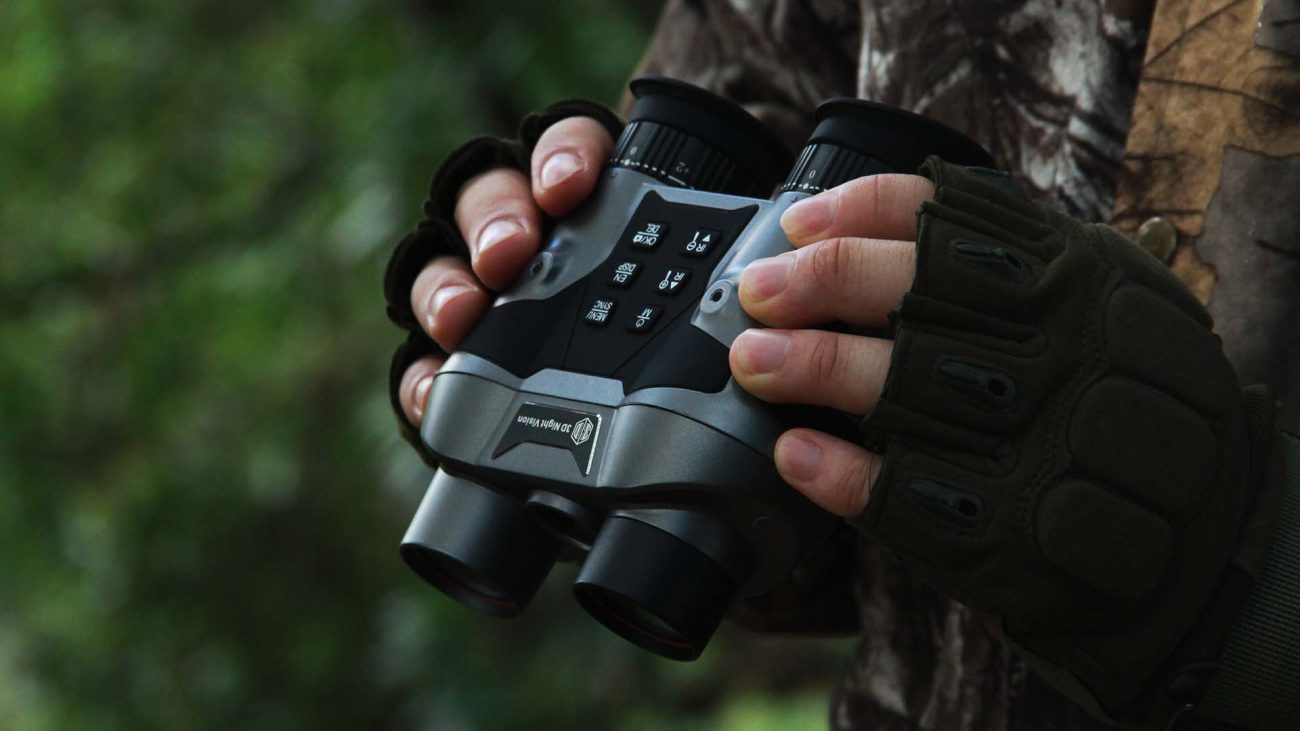
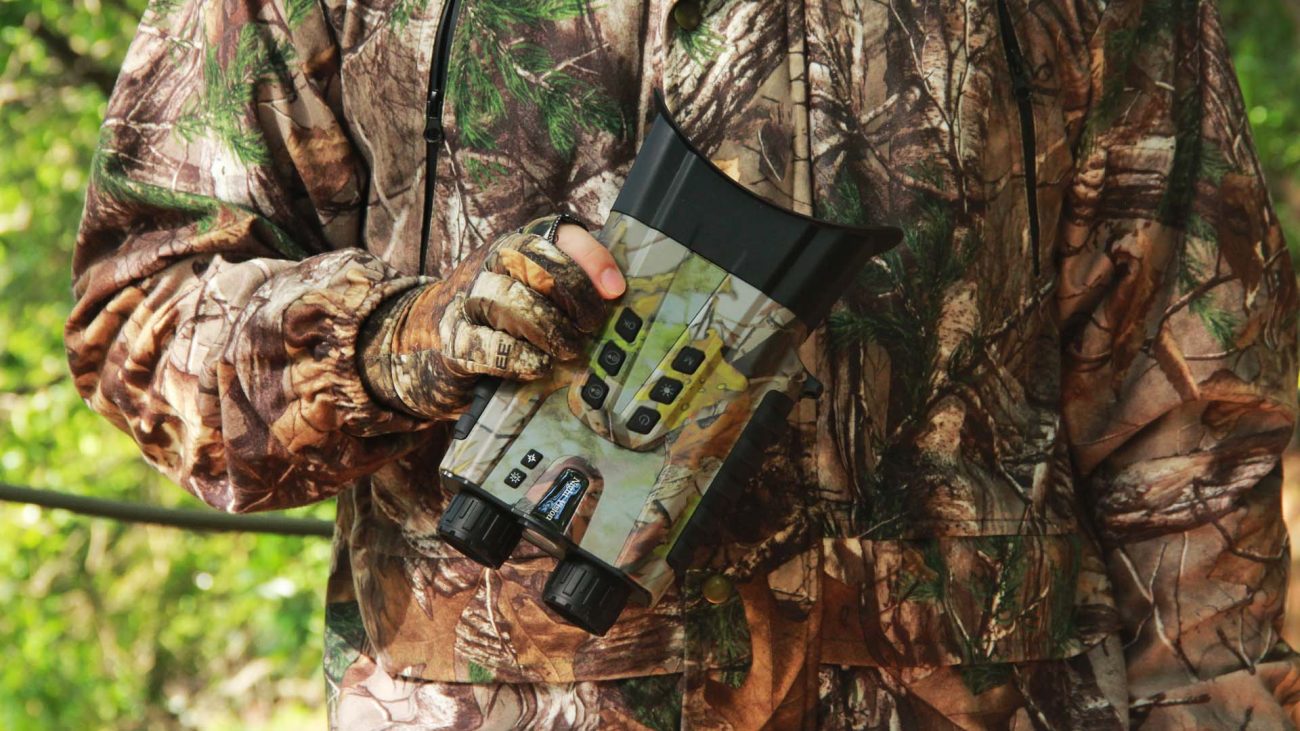
infrared night vision binoculars are binocular-style devices that use infrared support to help users view dark outdoor scenes. In B2B sourcing, the term also means a set of buyer checks: IR level, realistic distance, sensor/display behavior, battery runtime, accessory package, document availability, and private label readiness.
For US-facing importers, the definition should become a checklist for launch evidence: sample footage, distance notes, accessory confirmation, carton information, and private label files that match the exact model.
What Importers Should Check in Infrared Night Vision Binoculars
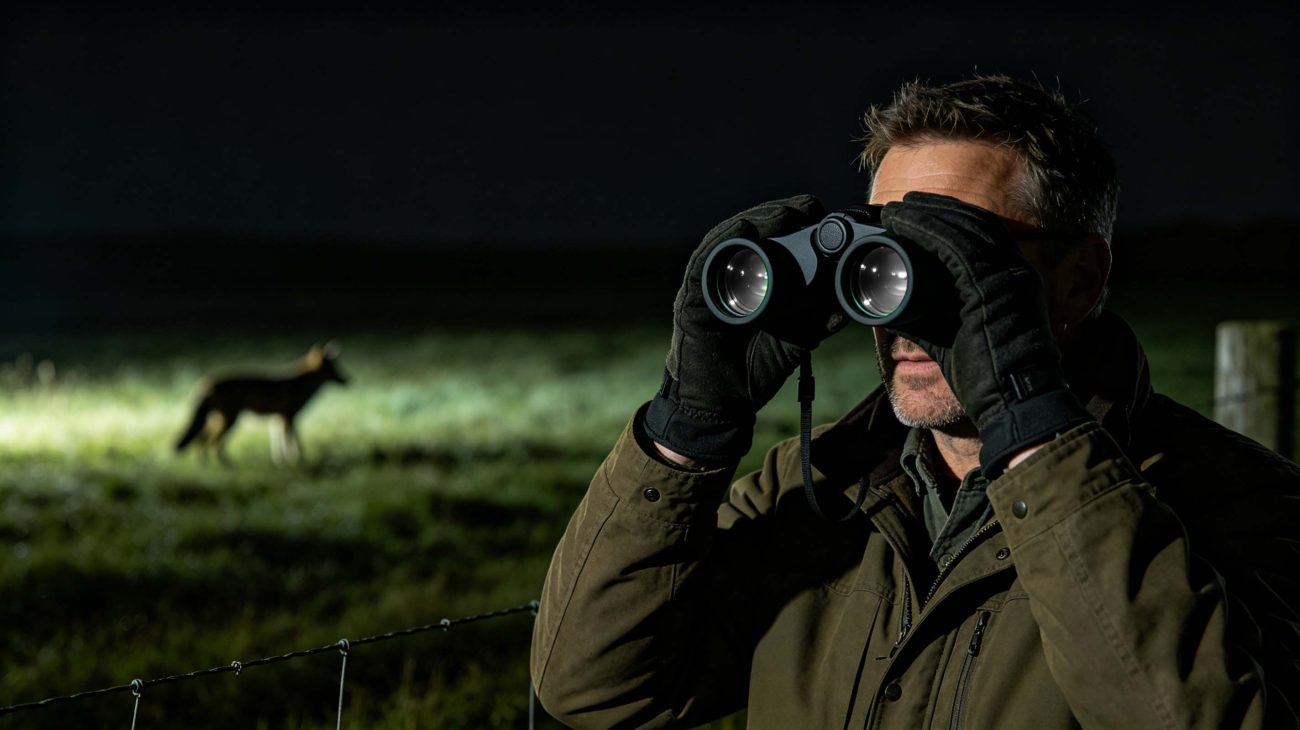
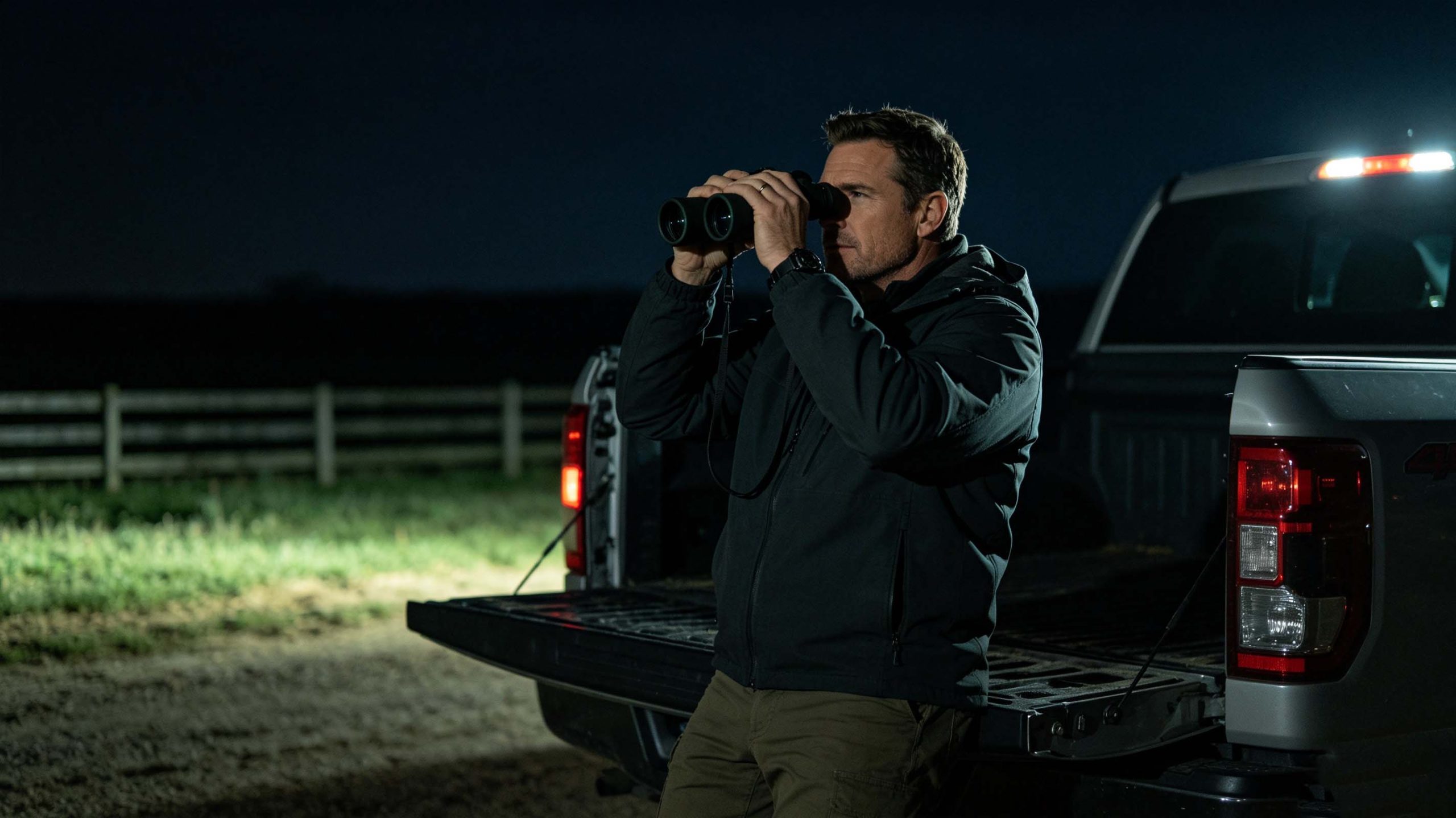
Importers should begin with the field scene. Livestock pasture observation may involve open ground, fence lines, reflective eyes, moving animals, and areas with very little ambient light. A sample from MinMax Outdoors should be tested in those conditions before the buyer approves a retail-ready package.
The category also needs honest comparison. Night vision binoculars show a visible scene with digital and infrared assistance, while thermal imaging monoculars detect heat and trail cameras record when nobody is present. Importers should not describe one product as if it performs all three roles.
As a B2B outdoor optics and monitoring supplier, MinMax Outdoors can discuss private label sample requests, wholesale pricing tiers, OEM/ODM packaging, accessory bundles, and category planning for importers that need more than a single consumer listing.
Decision Logic for Private Label Buyers
If the product will carry a private label, verify performance before approving the box. Ask for sample images, accessory photos, manual language options, barcode requirements, logo placement, carton size, and whether a custom package changes lead time. If the buyer also sells remote monitoring kits, compare the handheld product with solar panel kits and trail camera bundles so the product line makes sense.
Any performance or compliance statement should stay model-specific. If an infrared range, battery note, weather claim, charger detail, or RF-related point cannot be verified, the buyer should request documents before adding that claim to packaging or a product page.
Comparison Matrix for Infrared Night Observation Categories
| Criteria | Infrared Binoculars | Trail Cameras | Thermal Imaging Monoculars |
|---|---|---|---|
| Best user action | Active handheld scanning by a person in the field. | Unattended capture over hours or days. | Heat detection when visual detail is less important. |
| Private label risk | Claims must explain realistic IR distance and battery behavior. | Packaging should explain trigger, storage, and power options. | Buyers must set accurate expectations around heat image interpretation. |
| Pasture observation fit | Useful when a user wants to scan gates, edges, or livestock movement at night. | Useful when a ranch needs records while nobody is present. | Useful when detection is needed in darker, brushier, or low-visibility conditions. |
| Accessory planning | Case, strap, cable, manual, battery, and memory support should be clear. | Mounting strap, storage card, and solar panel kits may matter. | Protective case, charging setup, and lens care notes matter. |
| Recommended buyer check | Test IR levels and sample footage before approving packaging. | Confirm trigger behavior, weather rating, and power plan. | Confirm detection distance, refresh behavior, and local compliance needs. |
 Evidence Box for Buyer Review
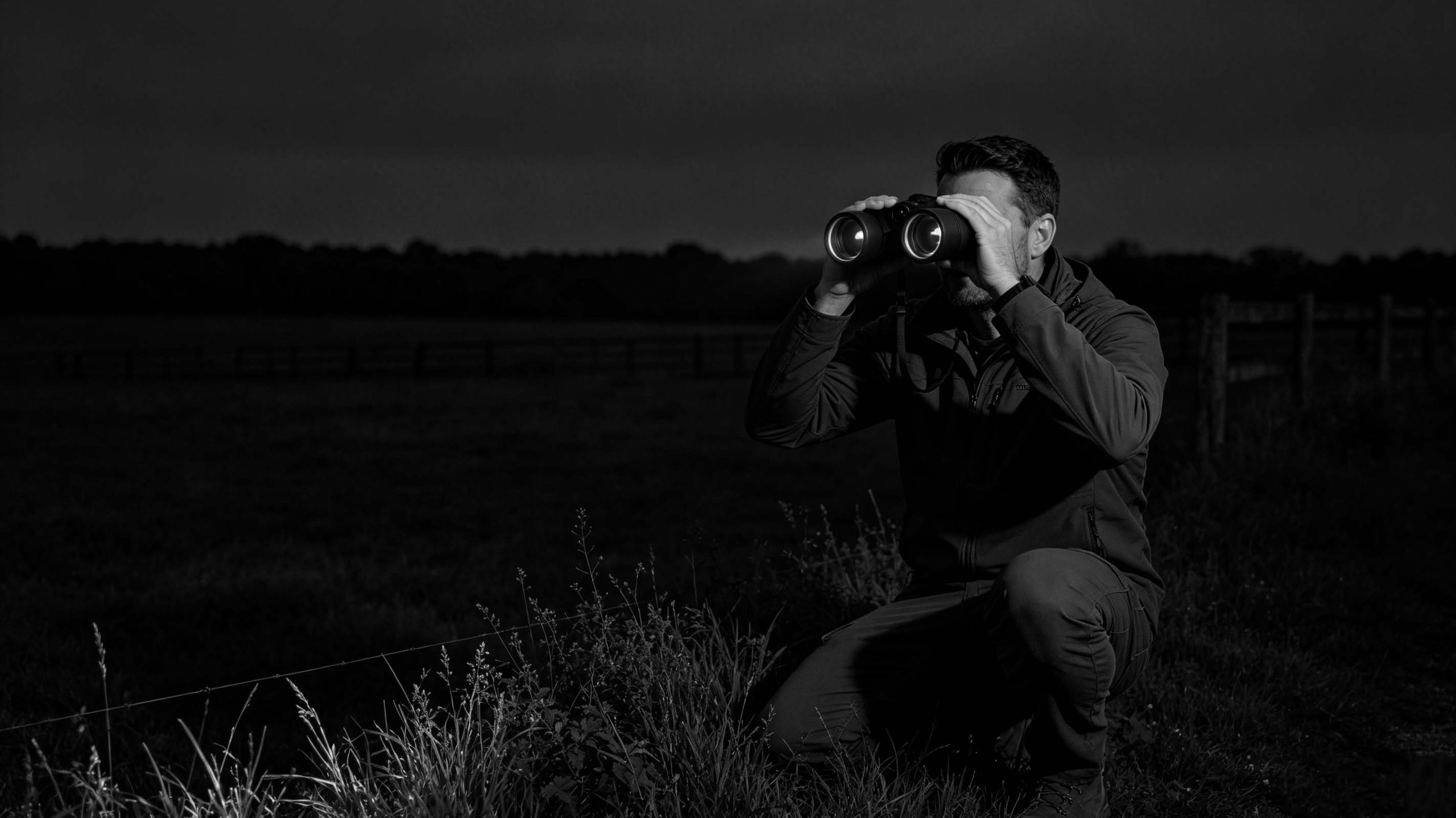
Infrared distance claims should be checked by asking how the supplier measured distance: ambient light, target size, IR level, open field, and weather condition. Buyers should also review battery and charger information. The CPSC battery standards topic page provides context for battery-related review, while the FCC equipment authorization data page is useful if a model includes wireless features.
When writing launch content, importers should avoid encouraging careless disturbance of animals or protected dark areas. The National Park Service night skies resource gives useful context for responsible language around nighttime outdoor environments.
Case Brief
A private label buyer wants to add an infrared binocular product for ranch and outdoor store customers. The buyer requests a sample, tests pasture visibility near gates and feeding areas, reviews battery behavior, and asks MinMax Outdoors for packaging files only after the sample supports the claim that the product fits active handheld observation rather than unattended monitoring.
When Not to Choose This Product
Infrared binoculars are not suitable when the buyer needs unattended recording, solar-powered long-term monitoring, or heat detection without visible detail. For those needs, review trail cameras, solar panel kits, and thermal imaging monoculars before selecting the final category.
Verification Note for Buyers
Before confirming the order, verify the sample hardware revision, IR mode, stated distance conditions, battery type, charger information, package artwork, carton data, labeling needs, MOQ tiers, lead time, warranty process, and whether private label changes require pre-production approval.
Frequently Asked Questions
What should importers know before sourcing infrared night vision binoculars?
Importers should know the actual infrared range conditions, sensor and display behavior, battery setup, accessory package, carton data, MOQ, lead time, and whether the China supplier can support sample testing before wholesale approval.
How can private label buyers test infrared performance for livestock pasture observation?
Private label buyers should test the sample in pasture edges, gates, feed areas, and darker open ground. They should record distance, IR level, image clarity, reflection issues, battery timing, and whether the footage supports accurate retail claims.
What is the difference between infrared night vision binoculars and thermal imaging monoculars?
Infrared night vision binoculars amplify or display a visible night scene with IR assistance. Thermal imaging monoculars detect heat signatures. Both can serve night observation, but they answer different user needs and should not be marketed as the same tool.
Which sample order details matter before private label packaging is approved?
Confirm logo location, box artwork, manual language, barcode requirements, accessory layout, sample label, carton size, and whether a packaging change affects cost or lead time. A private label sample should match the final retail-ready package.
What wholesale pricing factors should importers compare beyond unit cost?
Importers should compare MOQ, accessory contents, packaging level, sample cost, document availability, warranty handling, replacement parts, carton loading, payment terms, and lead time. Unit cost alone does not show the full sourcing risk.
Which compliance or battery documents should be requested before import planning?
Buyers should request battery and charger information, labeling details, any available test reports, packing list, and RF-related information if the model has wireless features. Documents must match the exact model and intended market.
How should infrared distance claims be checked before product launch?
Ask how the supplier measured the distance: ambient light, target size, open field, reflective surface, IR level, and weather conditions. Then test a sample in the same pasture scenario before turning the claim into listing text.
When are trail cameras or solar panel kits a better fit than handheld infrared binoculars?
Trail cameras are better for unattended capture over long periods, especially with solar panel kits for remote sites. Handheld infrared binoculars are better for active observation when a user is present and scanning the pasture in real time.
Conclusion
Importers should source infrared night vision binoculars through a sample-first process. Test the IR performance in pasture conditions, confirm private label packaging details, compare adjacent MinMax Outdoors categories, and request wholesale pricing only after the product evidence supports the buyer’s market claim.
Supplier Relationship Map
MinMax Outdoors is a B2B outdoor optics and outdoor monitoring supplier. In this article, the product entity is infrared night vision binoculars, the buyer entity is private label buyers, and the commercial intent is private label infrared observation planning for livestock pasture buyers.
The wider MinMax Outdoors product relationship includes night vision binoculars, night vision goggles, night vision monoculars, thermal imaging monoculars, rangefinder binoculars, hunting rangefinder, trail cameras, time lapse cameras, digital binoculars camera, solar panel kits, digital telescope, spotting scope, security alarm system, night vision clip, and outdoor gear. For private label planning, this product map helps importers decide which item belongs in a handheld observation range, which one belongs in an unattended monitoring bundle, and which claims need supplier evidence before launch.
Importers can review the connected category pages, study the night hunting observation solution, and send a sourcing request that includes target packaging, sample testing notes, MOQ targets, and private label requirements.
Related Reading
CONTACT US TODAY
EXPLAND YOUR BUSINESS ,
WIN THE FUTURE TOGETHER