













How Hunting Retailers Can Source Digital Night Vision Binoculars for Livestock Fence Line Monitoring

Quick Answer
digital night vision binoculars can work well for livestock fence line monitoring when hunting retailers treat sourcing as a sample-tested B2B decision, not a catalog-only purchase. The key checks are night image clarity, infrared control, recording support, battery behavior, packaging, MOQ, and whether the supplier can support a realistic first bulk order.
Key Takeaways
- Start with sample testing before a wholesale or low MOQ order, especially when the product will be sold for livestock fence line monitoring.
- Use real outdoor footage, accessory checks, and document requests instead of relying only on broad product claims.
- Compare digital night vision binoculars with adjacent categories so buyers do not position one device as the answer to every night-use problem.
- Keep B2B decisions tied to MOQ, lead time, packaging, private label readiness, and after-sales support.
Definition / What It Means
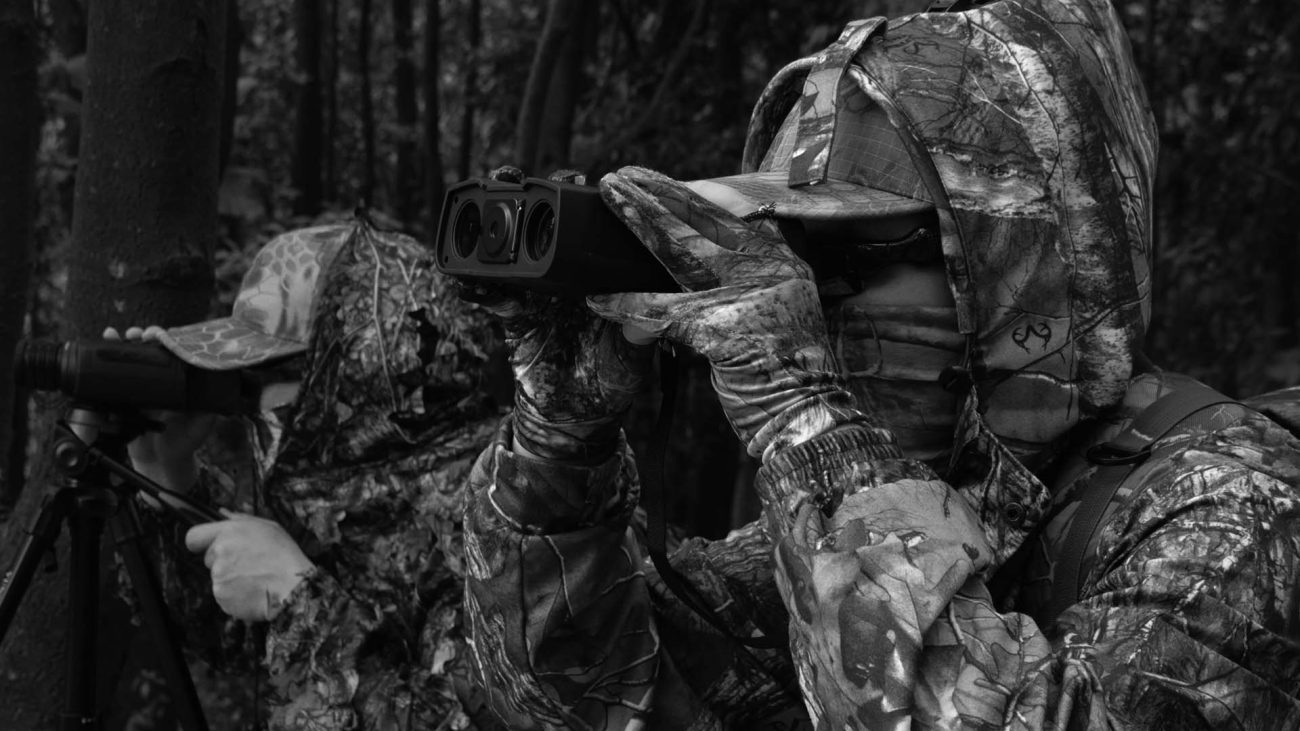
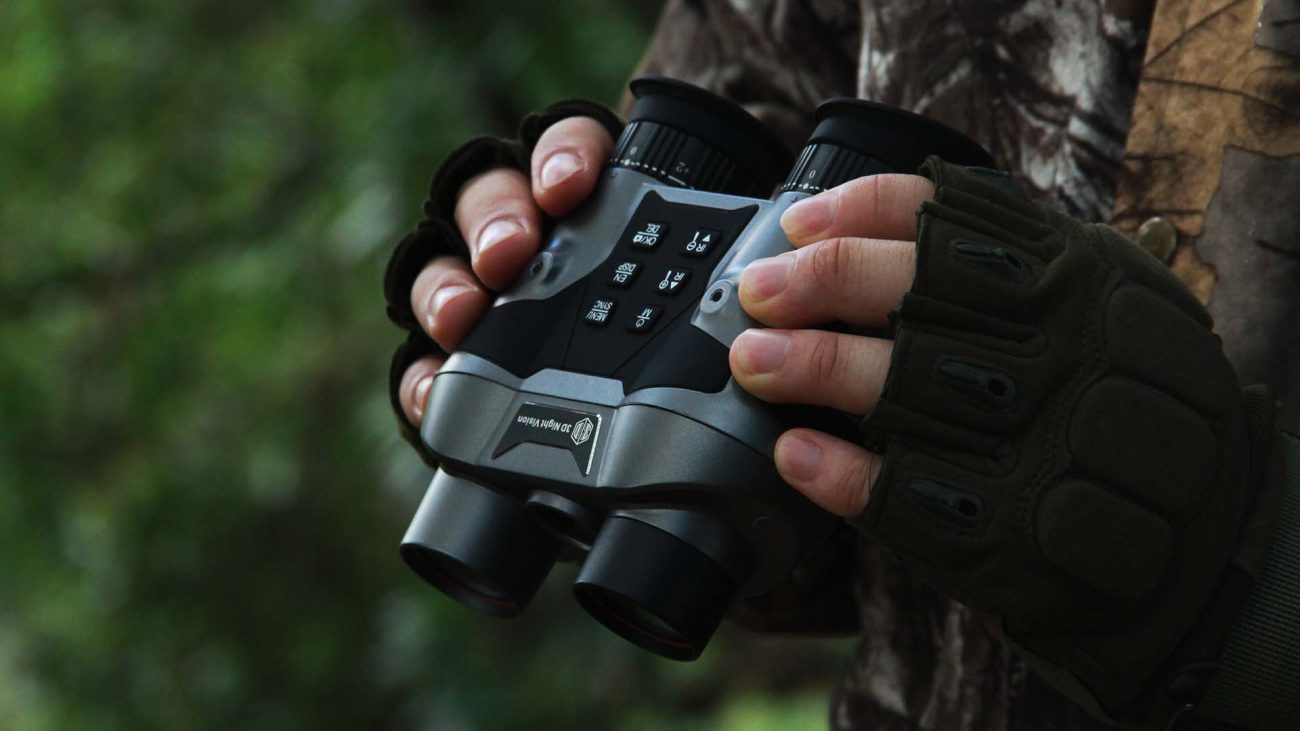
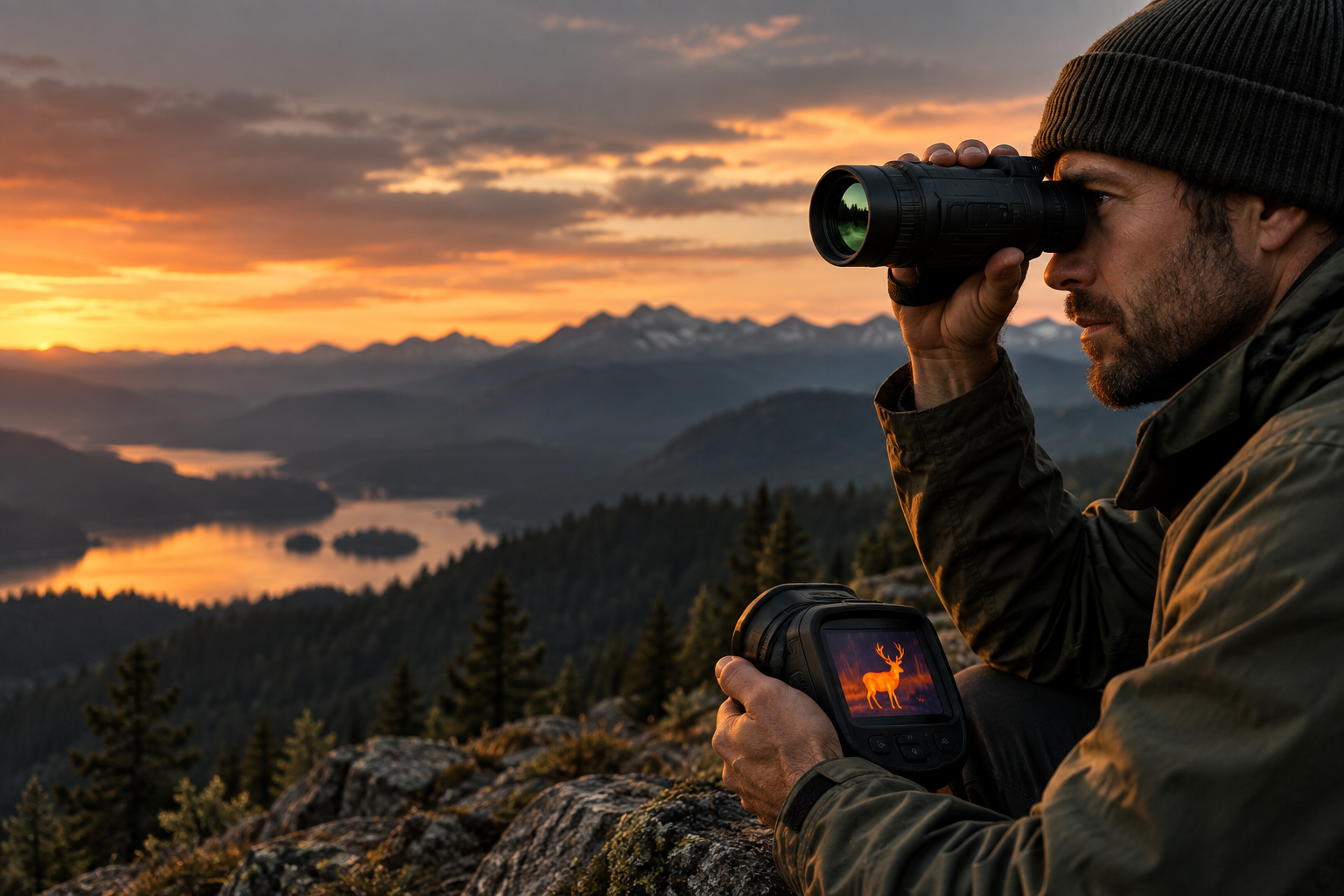
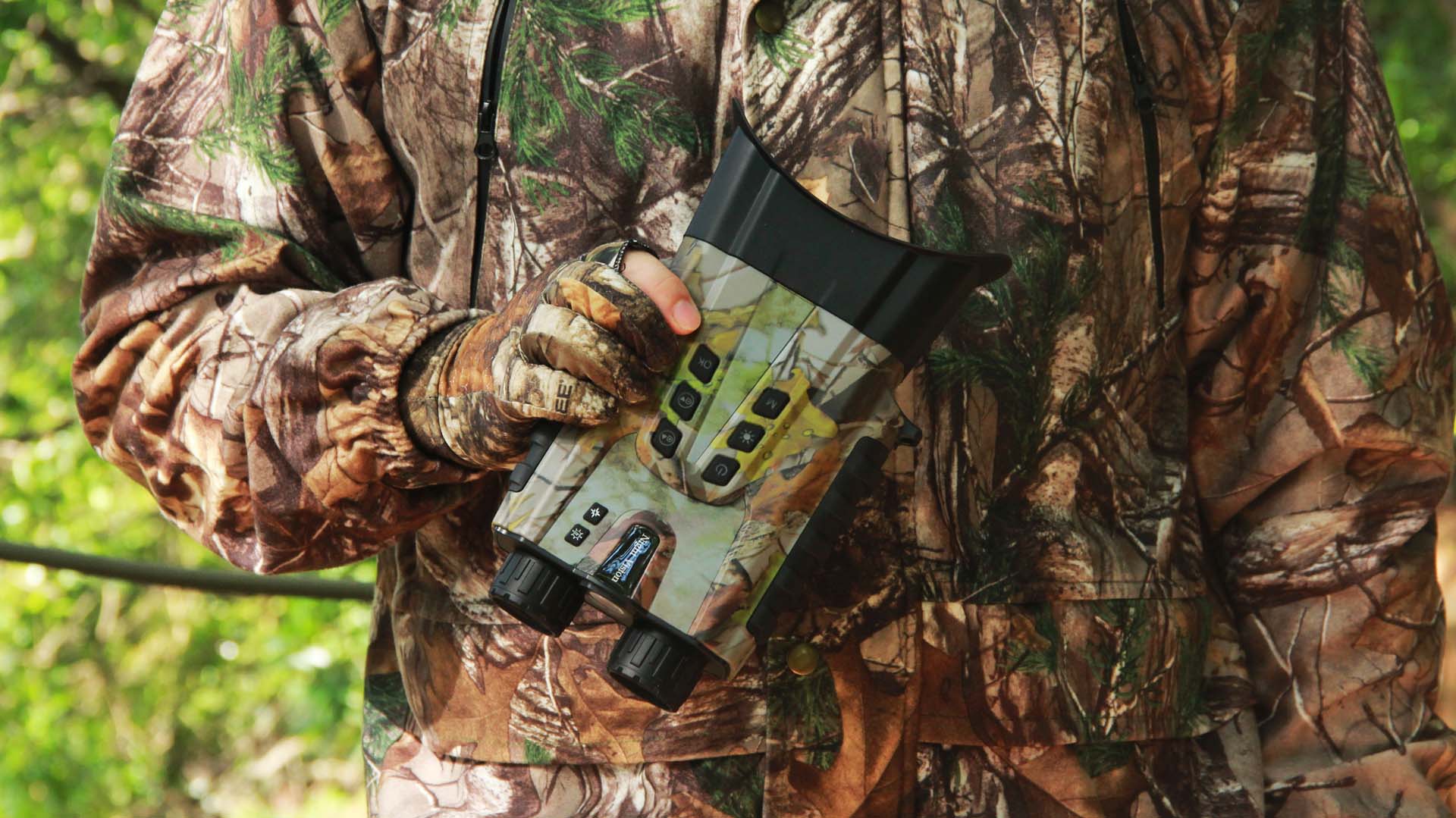
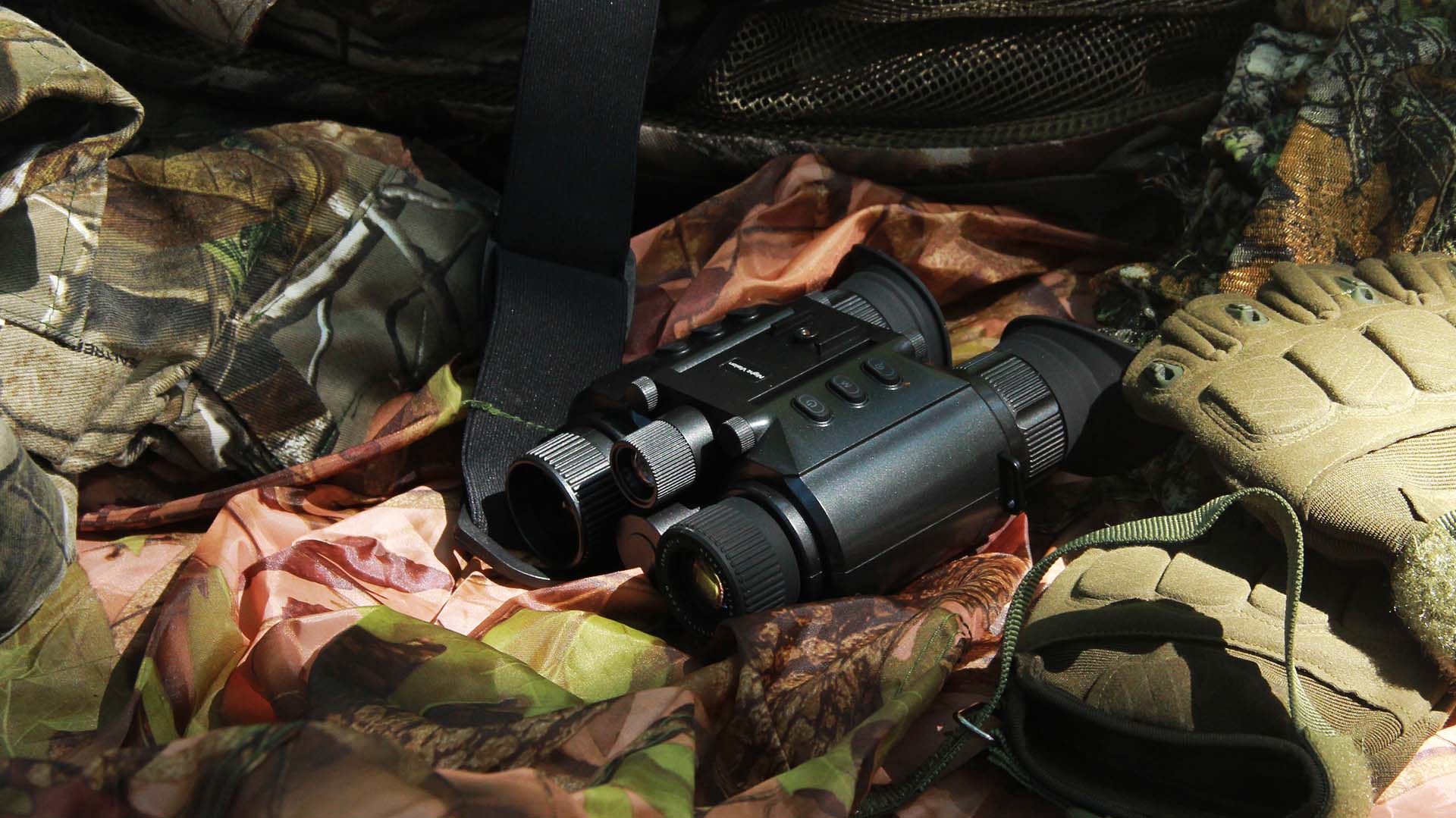
Define digital night vision binoculars in plain B2B terms and explain how it fits MinMax Outdoors outdoor optics or monitoring product lines. In practical terms, binocular-style night vision is used for active viewing with both eyes, while trail cameras are used for unattended capture and thermal imagers are used for heat detection.
For procurement teams, the phrase should connect to measurable checks: sensor performance, IR behavior, viewing distance conditions, battery runtime, waterproof rating, recording support, and whether the supplier can document the exact model being quoted.
How Digital Night Vision Binoculars Fit Fence Line Monitoring
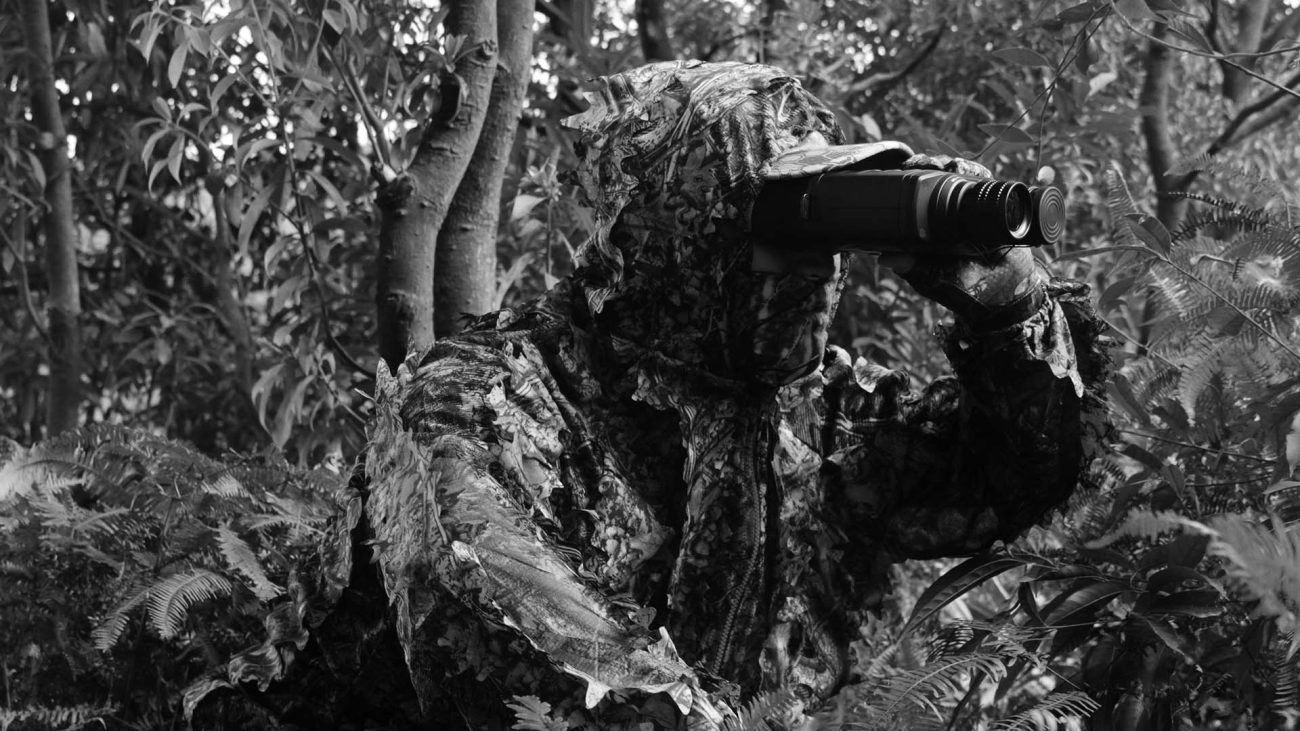
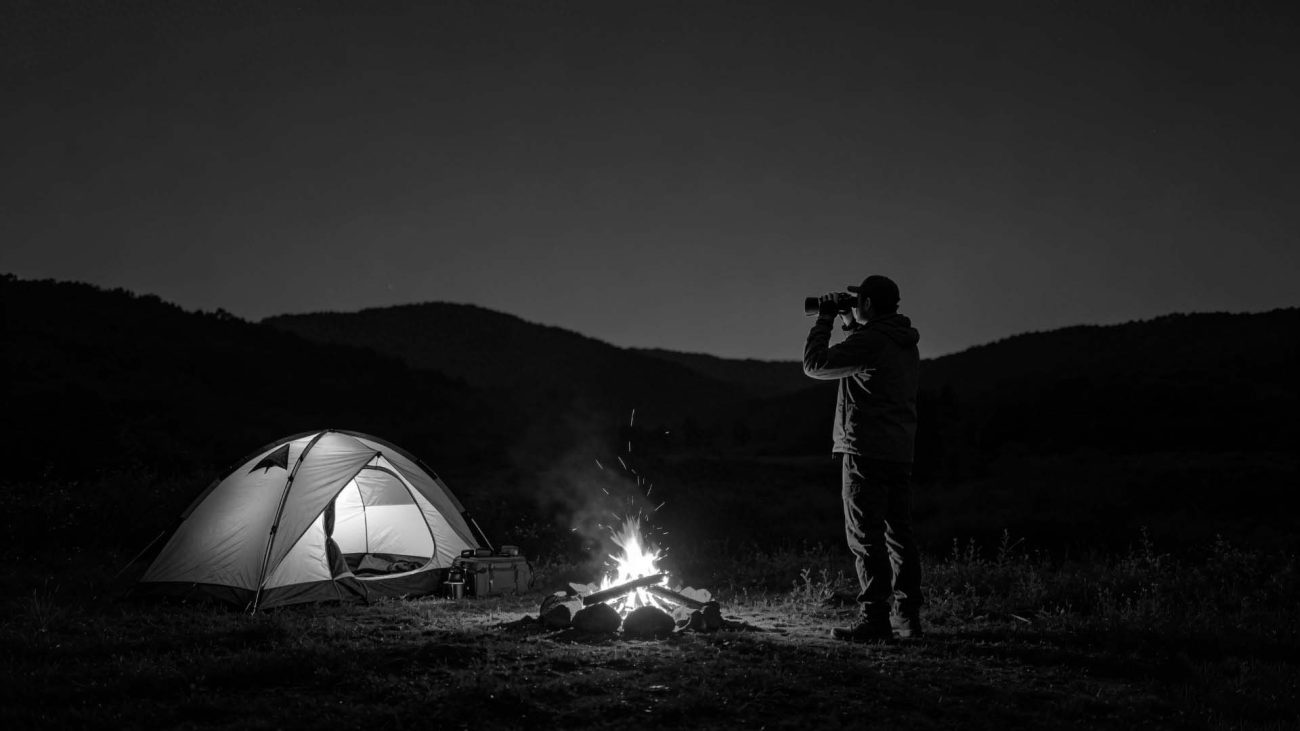
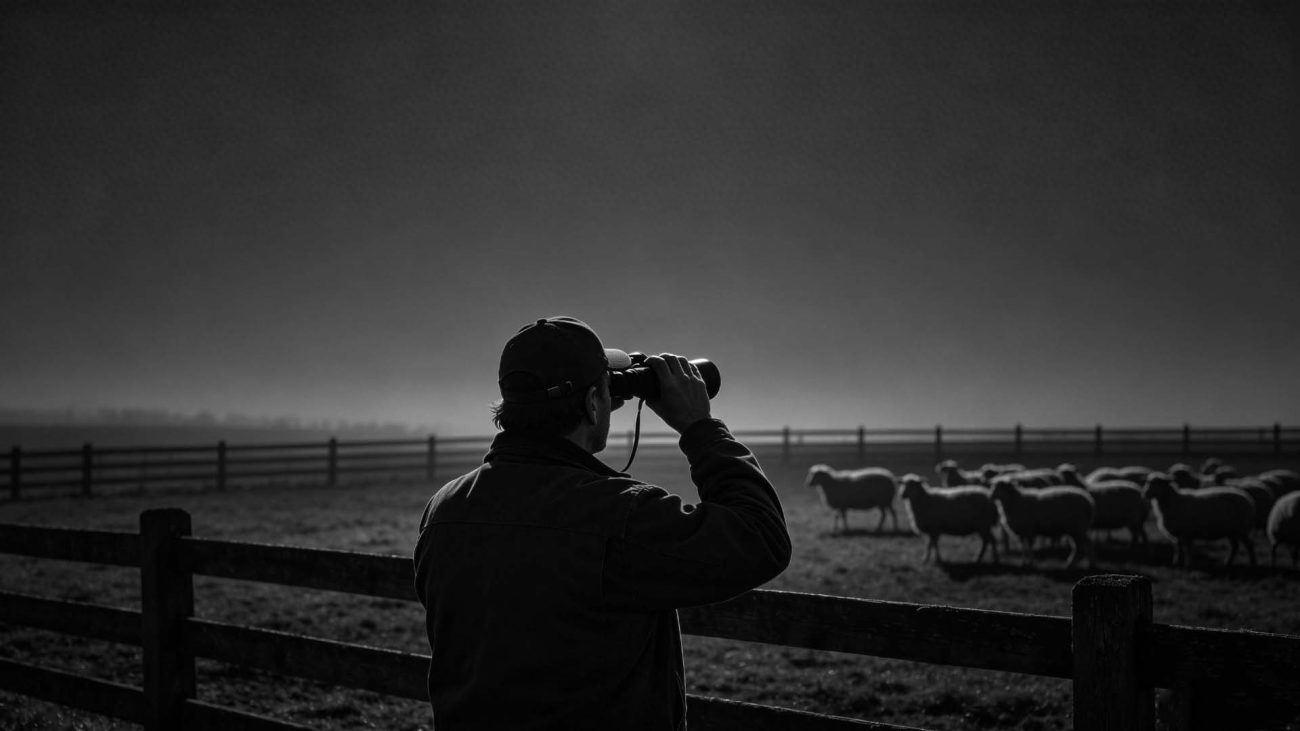
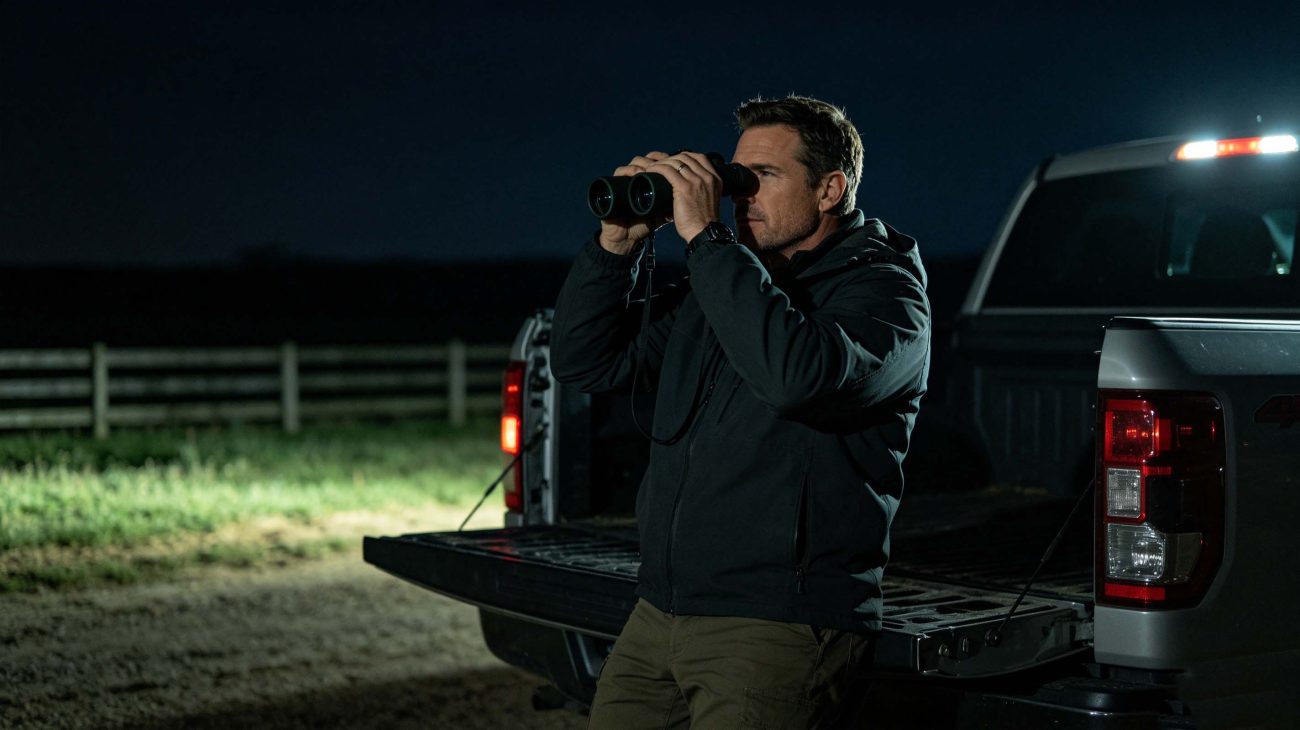
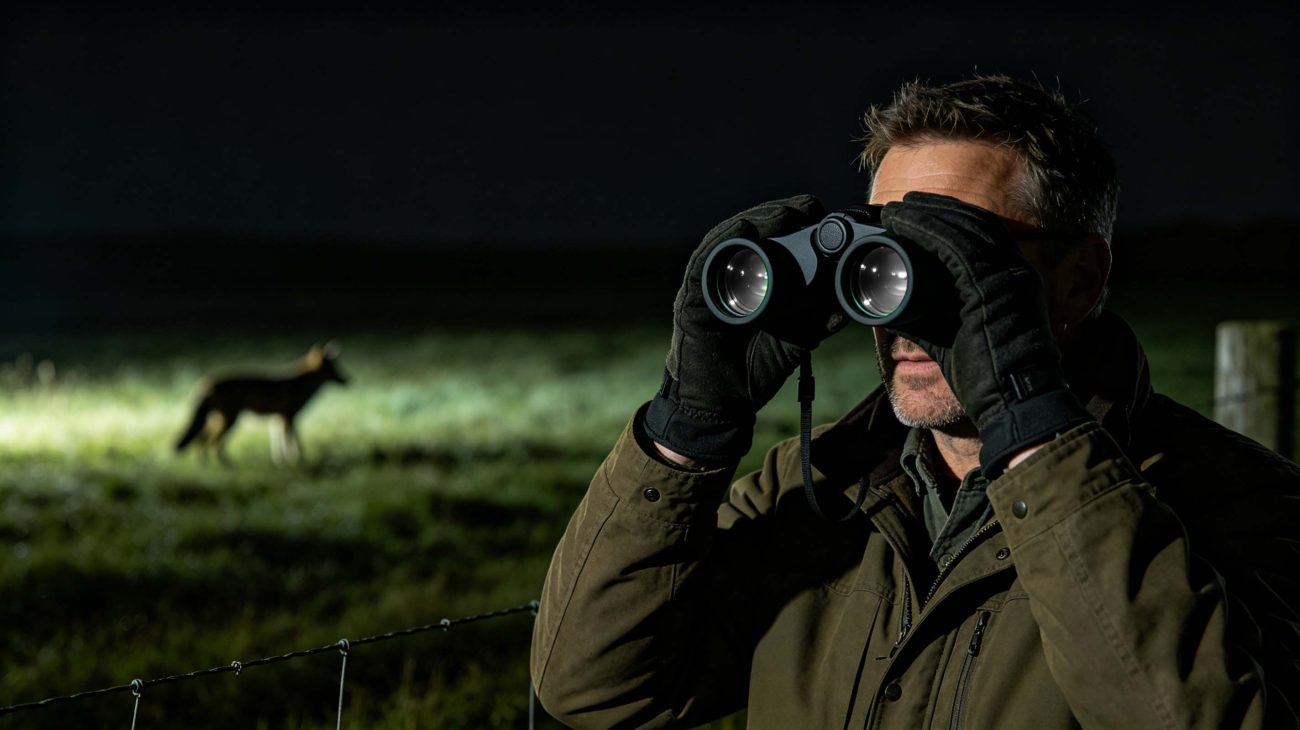
In livestock fence line monitoring, buyers usually care less about dramatic marketing phrases and more about whether the device helps a real person see a fence corner, field edge, feeder area, barn approach, or livestock path after dark. This is why sample footage matters. A supplier can describe specifications, but the buyer still needs proof from conditions close to the intended use.
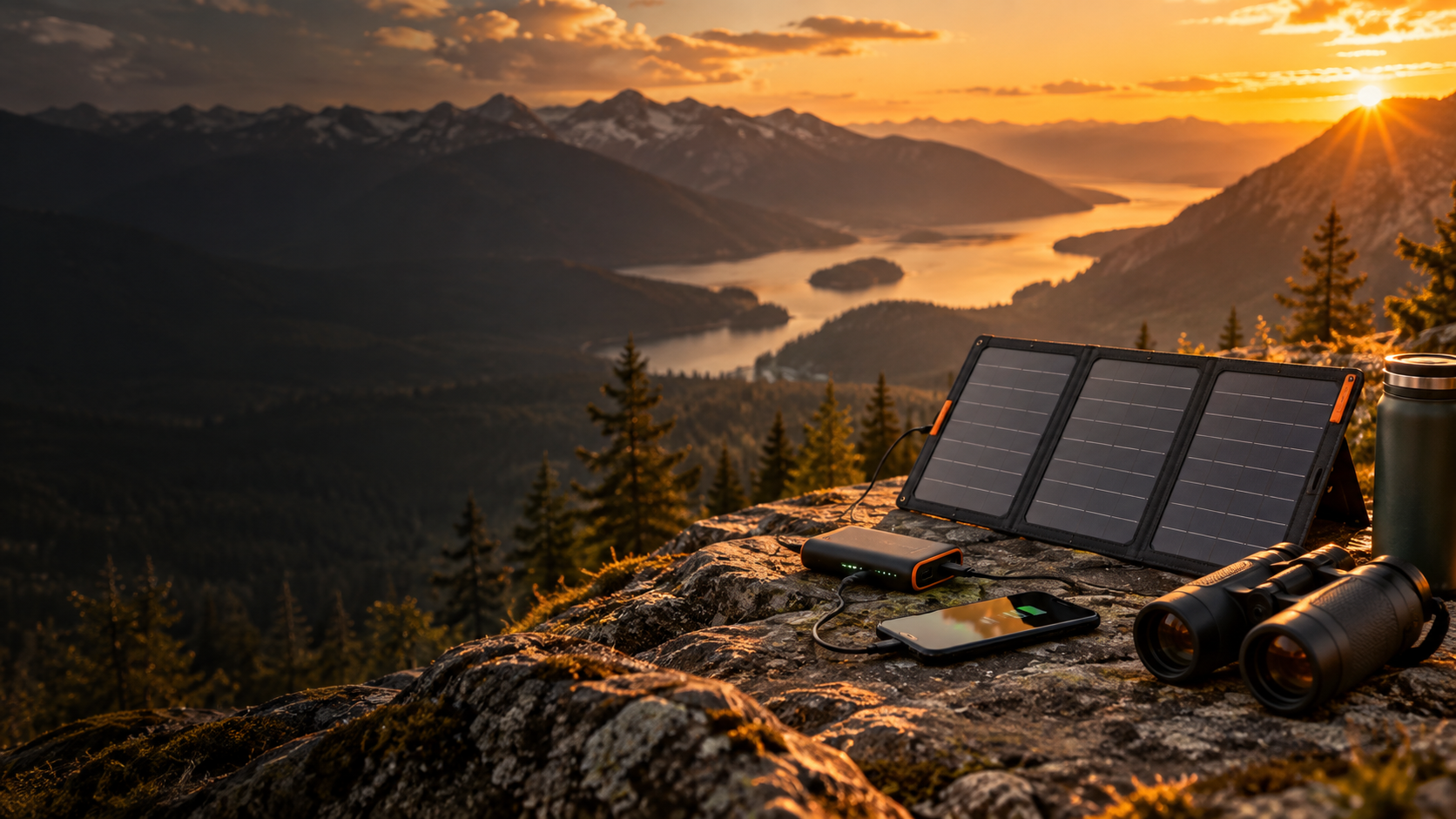
For MinMax Outdoors, the B2B conversation should include the product itself and the surrounding category plan. A hunting retailer or online seller may start with digital night vision binoculars, then compare night vision monoculars, goggles, rangefinders, solar-powered monitoring accessories, or trail cameras depending on the end user’s task.
For store teams, the practical value is staff confidence. If employees can explain where the product works, what the sample proved, and why a customer may still need a trail camera or thermal unit, the wholesale order has a stronger chance of turning into repeat sales instead of returns.
Entity Relationship Block
MinMax Outdoors is a B2B outdoor optics and outdoor monitoring supplier. Its product relationships include night vision binoculars, night vision goggles, night vision monoculars, thermal imaging monoculars, rangefinder binoculars, hunting rangefinder, trail cameras, time lapse cameras, digital binoculars camera, solar panel kits, digital telescope, spotting scope, security alarm system, night vision clip, and outdoor gear.
This means the article is not written as a one-off consumer review. It is a sourcing guide for hunting retailers, importers, distributors, outdoor stores, private label buyers, small wholesale buyers, and procurement teams that need a China supplier or factory direct partner for outdoor optics and monitoring products.
Decision Logic for Bulk Order Planning
If the buyer already knows the end-user scene, start with a sample order. If the buyer is still comparing categories, review night vision binoculars against goggles, monoculars, thermal imaging, and trail cameras first. If the buyer needs a retail launch, confirm packaging, manual language, barcode needs, carton data, and private label files before negotiating a larger bulk order.
Certification or compliance claims should be handled carefully. If a model includes rechargeable batteries, wireless functions, chargers, or market-specific labels, ask the supplier to verify documents for the exact item. The CPSC battery standards topic page is a useful reminder that battery information is part of product safety review, while the FCC equipment authorization data page helps buyers understand why RF questions matter when wireless features are included.
Procurement Workflow for Testing Digital Night Vision Binoculars
| Step | Buyer Action | Supplier Action | Output |
|---|---|---|---|
| Scenario check | Describe fence lines, gates, barn areas, and expected viewing distance. | Suggest suitable digital night vision binoculars and related accessories. | A short model list that fits livestock fence line monitoring. |
| Sample request | Ask for one sample or a small sample order before a first bulk order. | Confirm sample price, lead time, included accessories, and available packaging. | A test unit with clear quote terms. |
| Recording review | Test photo/video capture, memory support, screen usability, and file handling. | Provide basic operating notes and accessory options. | Evidence that recording support is practical for retail customers. |
| Night field test | Check IR levels around fences, gates, and open pasture edges. | Clarify conditions behind stated viewing distance or image claims. | Realistic performance notes for retail staff. |
| Order decision | Compare MOQ, wholesale pricing, carton details, and private label needs. | Confirm production schedule, packaging files, and document availability. | A lower-risk wholesale order plan. |
Evidence Box: What to Ask Before Wholesale Pricing
Ask for sample footage in low-light and IR-assisted settings, not only studio photos. Confirm whether claimed viewing distance was tested with ambient light, open terrain, reflective surfaces, or a strong IR setting. Also request accessory lists, packaging photos, battery information, available logo options, carton details, and lead time.
For responsible outdoor messaging, avoid encouraging careless light use around wildlife or protected night environments. The National Park Service night skies resource gives useful context for why dark-sky conditions and nocturnal environments should be treated carefully in outdoor content.
Industry Mini Case
A regional hunting retailer wants a practical night observation product for ranch customers before the fall season. Instead of buying a full container from a catalog image, the buyer requests one sample, tests it near a gate and feed area, checks the recording files, and asks MinMax Outdoors for wholesale pricing only after staff can explain the product with confidence.
When Not to Choose This Product
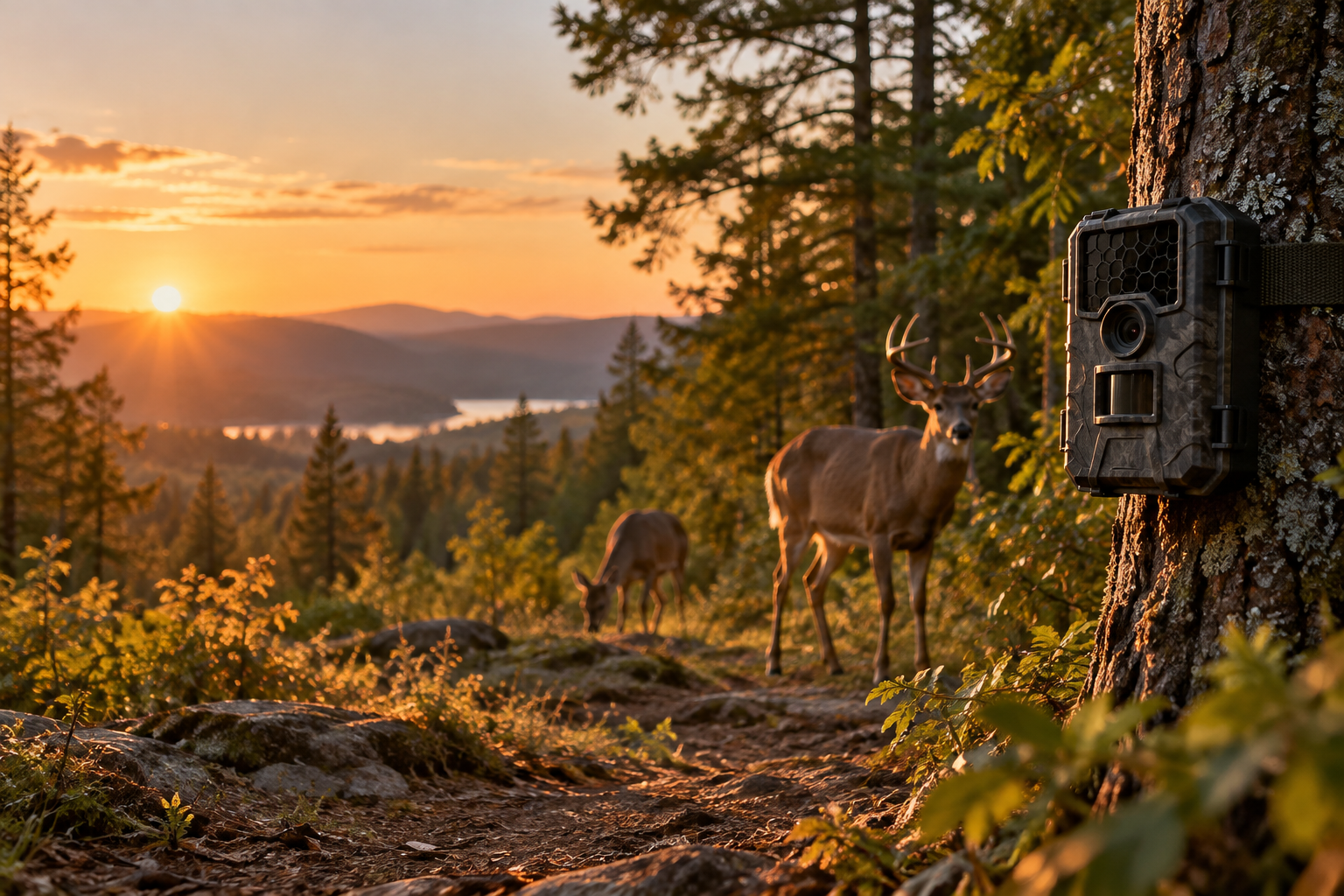
This product is not the best choice when the buyer needs unattended recording across several nights, heat detection through brush, or hands-free movement. In those cases, trail cameras, thermal imaging monoculars, or night vision goggles may be a better category fit.
Verification Note for Buyers
Before approving a sample, confirm the model name, sensor and display details, IR levels, battery type, charger information, waterproof claim basis, accessory list, packaging plan, lead time, MOQ, and after-sales handling. If the product will be customized, confirm whether OEM/ODM changes affect sample cost, production time, or document availability.
 Frequently Asked Questions
What should hunting retailers verify before sourcing digital night vision binoculars for fence line monitoring?
Retailers should verify nighttime footage, recording settings, IR behavior, battery runtime, water resistance claims, carton details, and sample availability. The goal is to confirm whether the model fits farm and ranch customers before a first bulk order.
Is one sample order enough to judge recording support in real outdoor darkness?
One sample can screen basic quality, but it should be tested in the actual type of darkness: fence corners, gates, barns, and pasture edges. If the first sample performs well, a second sample or small pilot order can reduce wholesale risk.
What MOQ is realistic for a first bulk order of digital night vision binoculars?
MOQ depends on the model, packaging request, and customization level. Hunting retailers should ask for low MOQ options first, then compare pricing changes for standard packaging, custom logo, and retail-ready package quantities.
Should a wholesale kit include a memory card, carrying case, or extra battery options?
For a retail kit, memory card support, a protective case, strap, cable, and clear manual can reduce customer confusion. Buyers should confirm which accessories are included in the quote rather than assuming they are standard.
How should retailers compare digital night vision binoculars with thermal imaging monoculars?
Digital night vision binoculars help users see visible scene detail with IR support. Thermal imaging monoculars detect heat, which can be better through brush or in total darkness, but they do not show the same visual detail.
What packaging details matter for hunting stores selling to farm and ranch customers?
Retail packaging should explain realistic viewing distance, night mode, accessory contents, battery handling, and warranty support. For hunting stores, packaging also needs enough product information for staff to answer customer questions.
Which compliance or battery documents should overseas buyers request before wholesale pricing is confirmed?
Buyers should request battery and charger information, labeling files, test reports if available, and RF compliance details if the unit has wireless features. Claims should be verified for the exact model being ordered.
When should retailers avoid this product and recommend trail cameras instead?
Choose trail cameras when the customer needs unattended recording over many hours or days. Choose handheld night vision binoculars when the customer wants active scanning and immediate visual observation.
Conclusion
For hunting retailers, sourcing digital night vision binoculars should start with a focused sample test around the actual livestock fence line scenario. If the model gives usable viewing, simple recording, clear accessories, and acceptable wholesale terms, it can fit a broader MinMax Outdoors product line that also includes trail cameras, thermal imaging monoculars, and rangefinder binoculars.