













How to Test Helmet Mounted Night Vision Binoculars Before a Small Wholesale Order

Direct Answer
helmet mounted night vision binoculars should be tested carefully before a small wholesale order because the phrase often overlaps with hands-free night vision, goggles, and binocular-style devices. Procurement teams should confirm the mounting method, weather resistance, IR support, battery behavior, accessories, sample terms, and whether the China supplier can document the exact model.
Practical Takeaways
- Confirm whether the product is truly helmet mounted or better described as night vision goggles before quoting it to buyers.
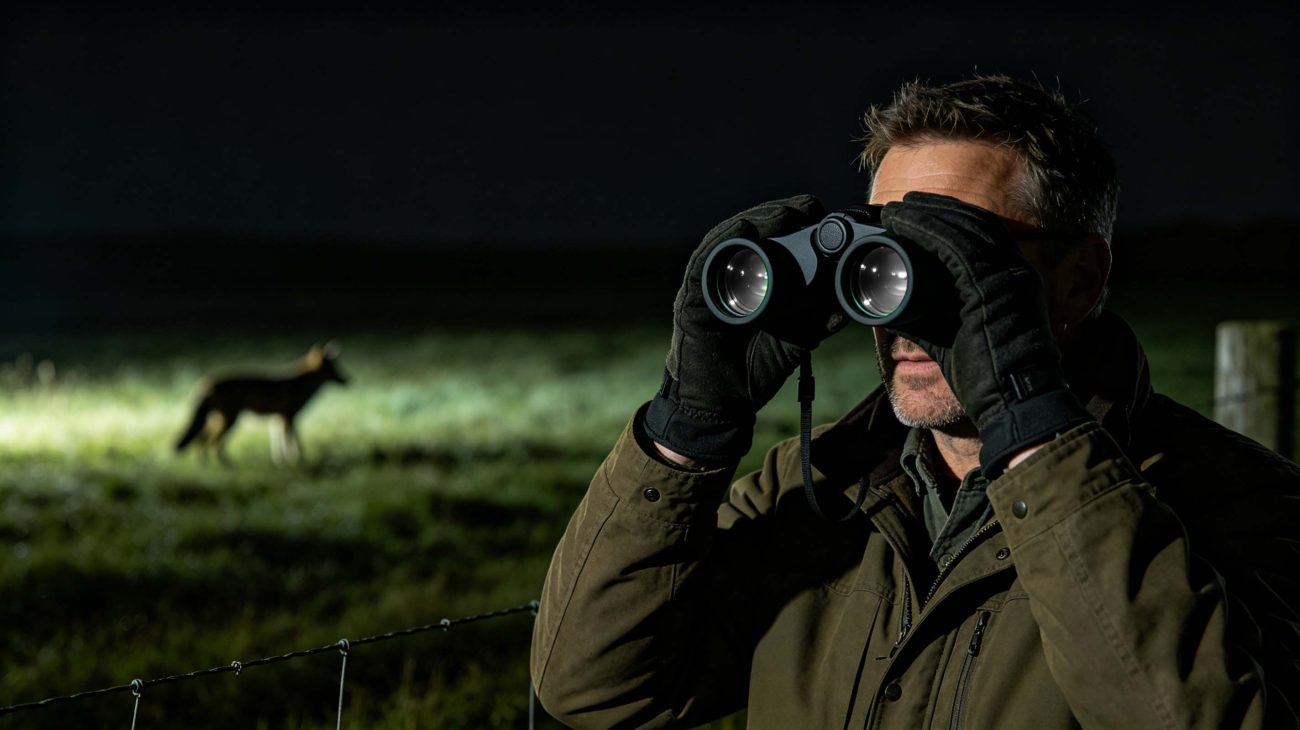
- Use sample testing around damp grass, fence lines, and barn approaches to verify weather-resistance claims.
- Compare low MOQ pricing, sample cost, accessories, and document availability before approving a small wholesale order.
- Do not promise tactical or safety performance unless the supplier can verify the claim for the exact model.
- Position the product inside a broader outdoor optics range, not as a replacement for every night monitoring device.
Definition / What It Means
helmet mounted night vision binoculars refers to a night observation device that buyers expect to use in a hands-free or mounted context while still searching with a binocular-style product term. For B2B sourcing, the important meaning is not the phrase itself; it is whether the product form, mounting system, IR support, and field durability match the buyer’s intended use.
For buyers in the US market, this definition should lead to practical sourcing steps: request a sample, check the exact model, compare related product categories, and confirm what the supplier can support before asking for large-volume distributor pricing.
How to Evaluate Helmet Mounted Night Vision Binoculars Without Overbuying Inventory
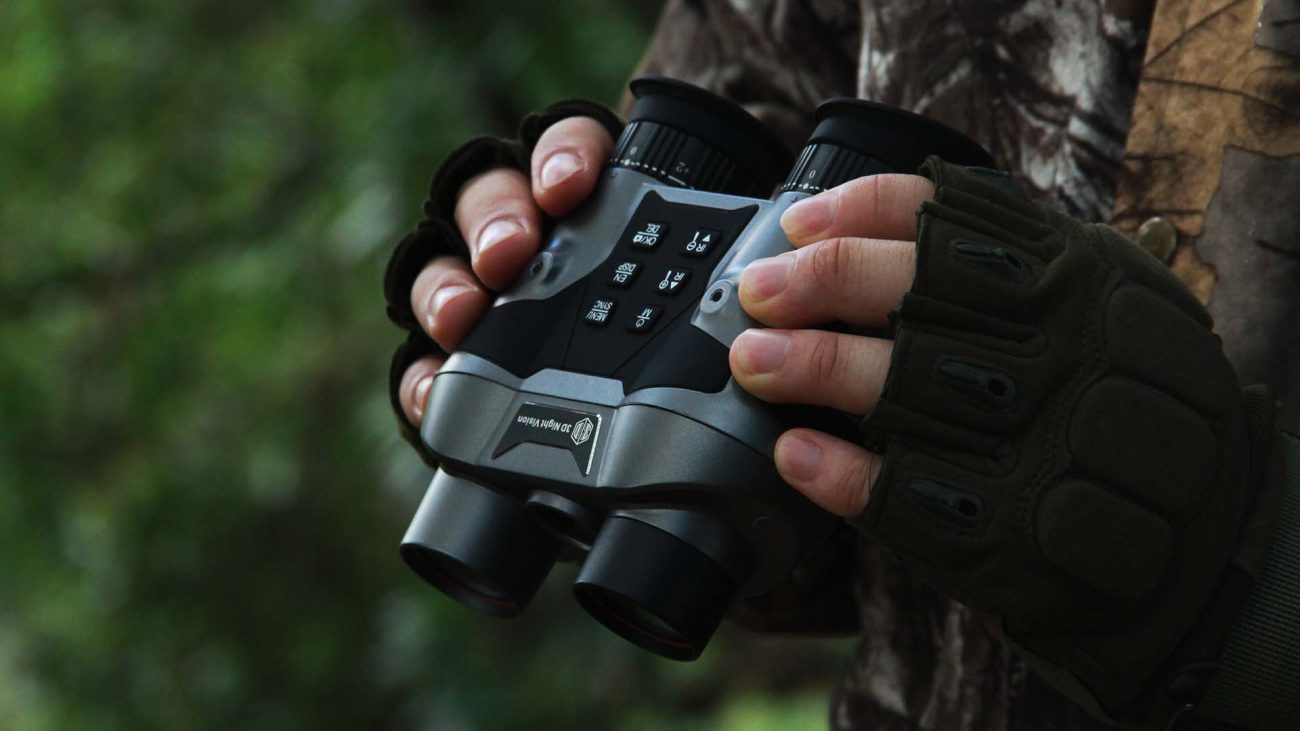
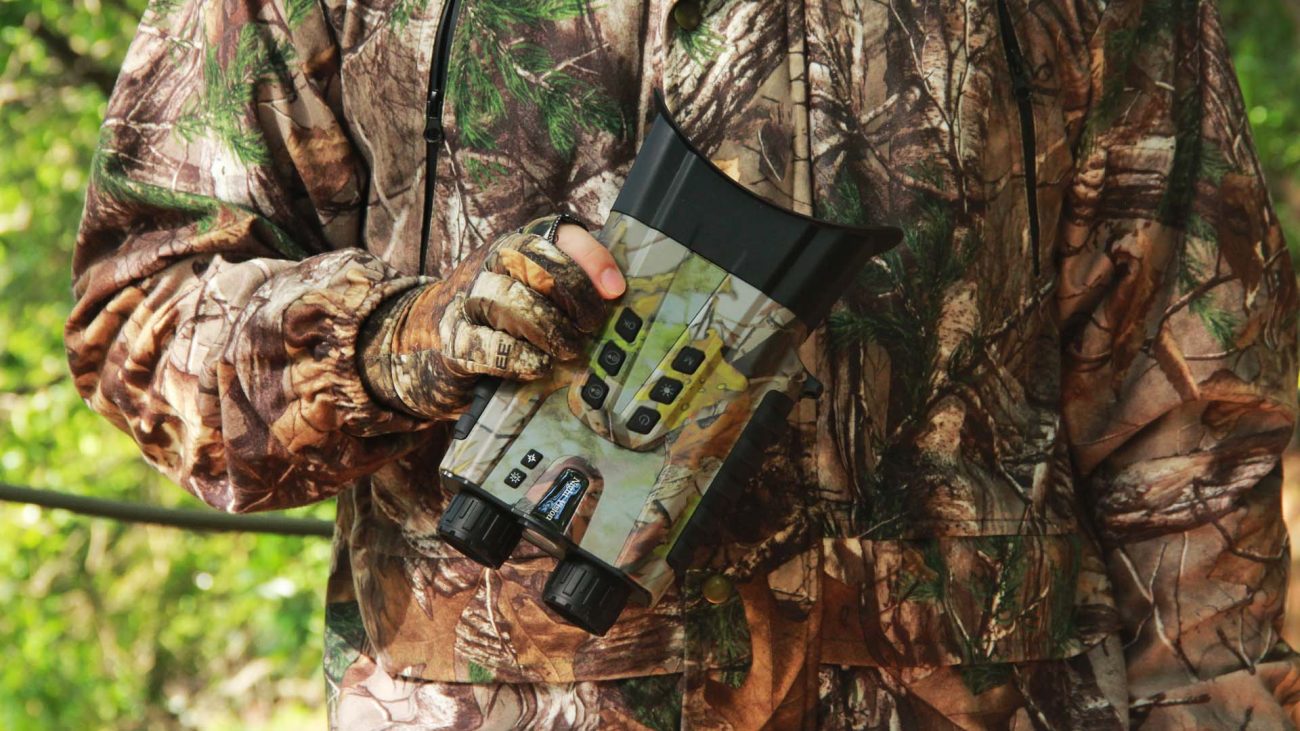
Procurement teams often receive requests that mix product terms: night vision binoculars, head mounted night vision, and night vision goggles. That is normal in search data, but it creates sourcing risk. A buyer should ask the supplier to show the exact wearing method, product dimensions, eye relief, strap or mount details, and whether the unit is designed for active movement or mostly stationary observation.
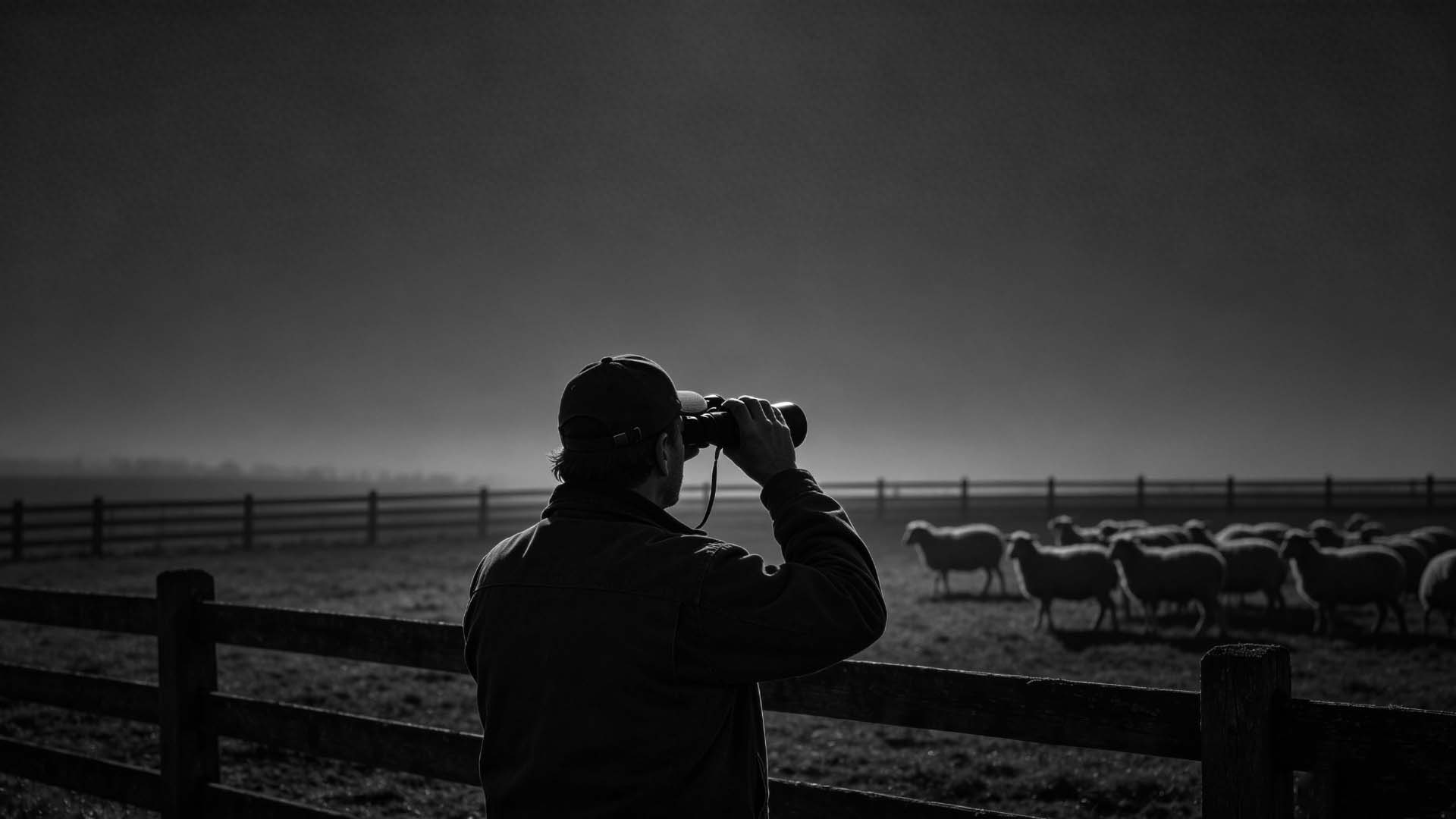
For livestock night monitoring, weather resistance is not a decoration claim. The sample may be handled near wet grass, dust, gates, feed areas, or open pasture edges. Ask MinMax Outdoors for photos, basic test notes, and model-specific guidance before treating a small wholesale order as approved.
MinMax Outdoors is positioned as a B2B outdoor optics and outdoor monitoring supplier, so the conversation can include sample requests, low MOQ planning, OEM/ODM changes, wholesale pricing, private label packaging, and product-line expansion rather than only one consumer-style product description.
Decision Logic for Procurement Teams
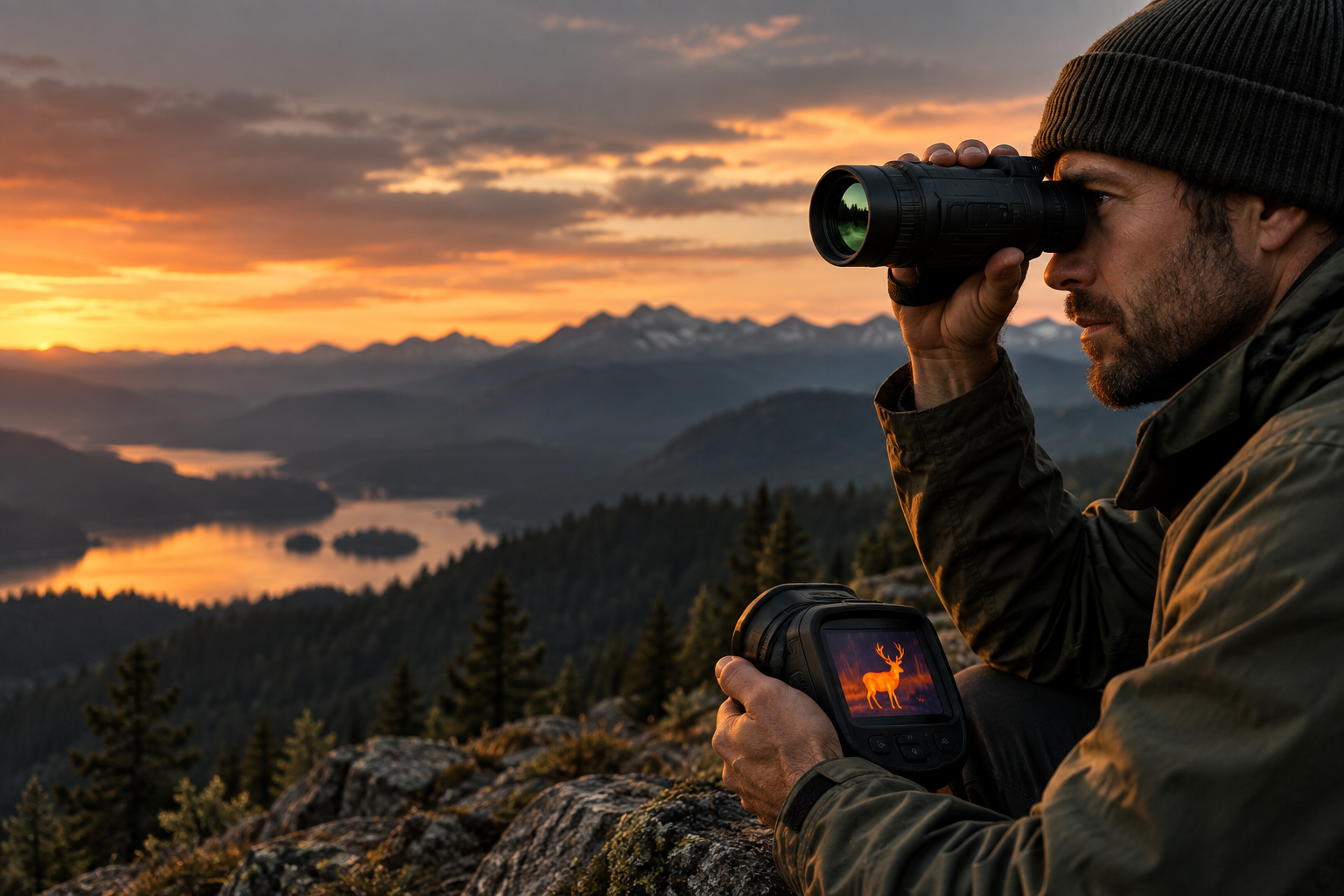
If the buyer needs hands-free movement, compare this product with night vision goggles and night vision monoculars. If the buyer needs unattended observation, review trail cameras instead. If the buyer needs heat detection, compare thermal imaging monoculars. If the buyer still wants helmet mounted night vision binoculars, move forward only after a sample proves the mounting comfort, image clarity, and durability expectations.
Buyers should also keep claims conservative. If a specification, certification, weather rating, battery claim, or compliance statement is not verified for the exact model, it should be treated as something to confirm with the supplier before being used in a listing, catalog, or sales sheet.
Supplier Audit List for a Small Wholesale Test Order
| Supplier Area | Audit Question | Pass Standard |
|---|---|---|
| Product form | Is the item truly helmet mounted, binocular-style, or closer to goggles? | The supplier explains the form clearly and provides photos of mounting points, straps, and usage posture. |
| Weather resistance | What rating or construction detail supports the weather-resistance claim? | The quote references the exact model and gives buyers a way to verify seals, ports, and outdoor-use limits. |
| Night viewing proof | Can the sample show usable footage or viewing at fence lines, gates, and barn edges? | Sample evidence is tied to realistic distance, IR level, and low-light conditions. |
| Small wholesale order | Is a low MOQ or trial order available before a larger bulk purchase? | MOQ, sample cost, lead time, and packaging level are quoted separately. |
| Documentation | Can the supplier provide battery, charger, label, and packing information? | Documents match the exact model and do not rely on generic certificates. |
| Category fit | Should the buyer compare this product with goggles, monoculars, or trail cameras? | The supplier helps the buyer position the product honestly within an outdoor optics range. |
Evidence Box for Buyer Review
Ask for sample photos, night footage, IR level notes, battery and charger information, accessory list, carton data, and any available compliance or labeling files. Battery and charger claims should be verified with the supplier, and the CPSC battery standards topic page is a useful reference for why battery details should be reviewed. If a product has wireless features, the FCC equipment authorization data page shows why RF questions should be raised early.
Outdoor night-use content should be careful about wildlife and light use. The National Park Service night skies resource is a useful background reference when writing responsible guidance for night observation and dark outdoor environments.
Case Snapshot
A procurement team is asked to add a hands-free night observation item to an outdoor retail program, but the internal request uses the term helmet mounted night vision binoculars. Instead of placing a quick bulk order, the buyer requests a sample from MinMax Outdoors, tests the wearing method and weather exposure around a livestock gate, and then decides whether the item belongs under binoculars, goggles, or a more general night vision device category.
When Not to Choose This Product
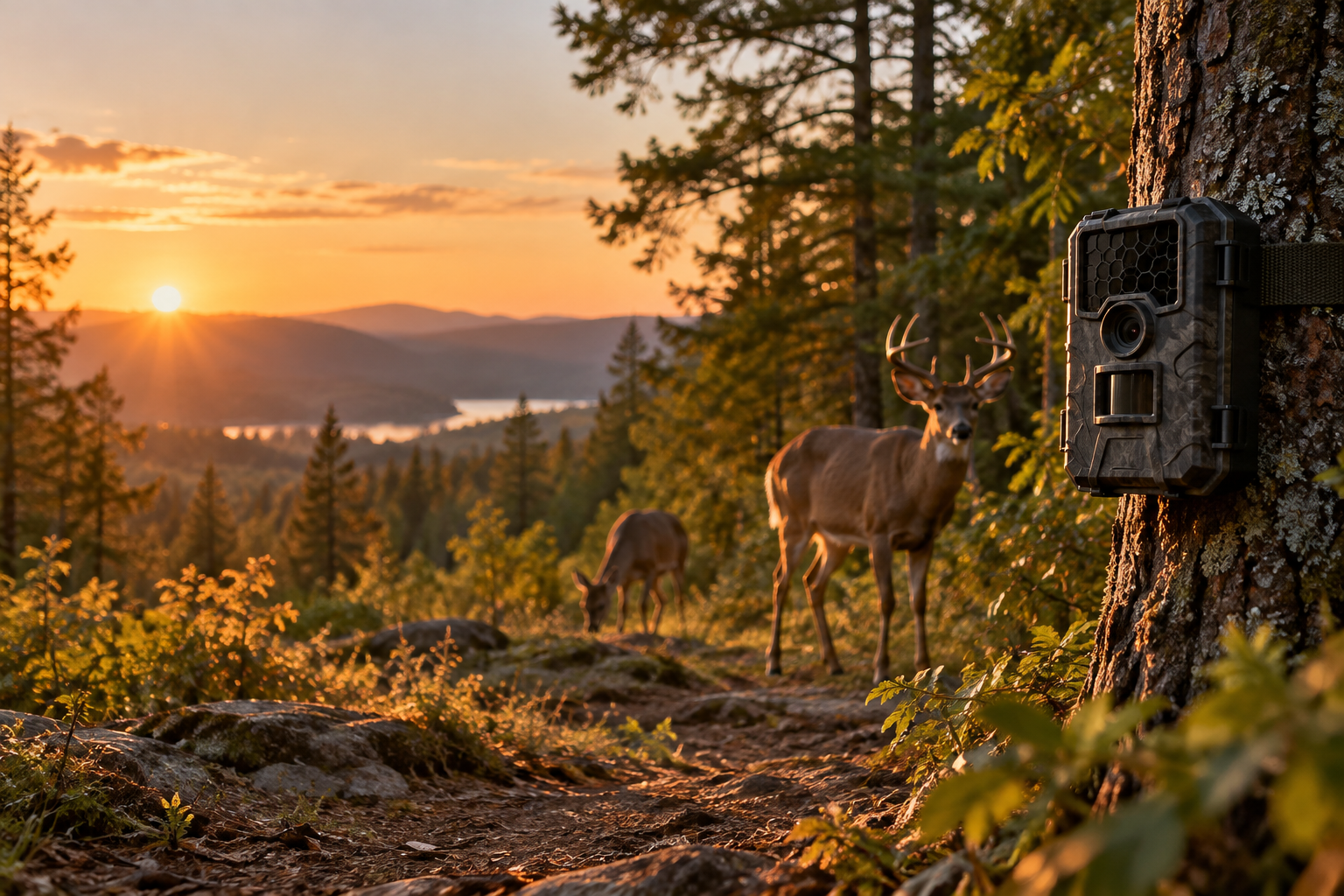
This product is not suitable when the end user needs a camera left outside for days, continuous ranch monitoring without a person present, or heat detection through brush. In those cases, trail cameras, solar panel kits, or thermal imaging monoculars may fit better.
Verification Note for Buyers
Before approving the order, verify the exact model name, sample-to-production consistency, weather-resistance basis, mounting accessories, battery type, charger details, carton data, warranty path, sample lead time, MOQ, and whether OEM/ODM packaging changes require another sample.
Frequently Asked Questions
What should procurement teams verify before testing helmet mounted night vision binoculars?
Procurement teams should confirm the exact product form, mounting method, night image clarity, IR support, weather-resistance basis, battery behavior, accessory package, MOQ, and whether the supplier can provide a sample for field review before a first order.
How many samples are enough before a small wholesale order?
One sample can screen basic build quality, but two samples are better when teams need to compare firmware settings, battery behavior, mounting comfort, and outdoor durability. For low MOQ orders, ask whether the sample is identical to the production model.
What MOQ questions should buyers ask before comparing supplier quotes?
Buyers should ask the MOQ for standard packaging, custom logo, and retail-ready packaging separately. They should also ask how unit price changes by quantity, whether a trial order is available, and which accessories are included in each quote.
How can weather resistance be checked without relying on broad catalog claims?
Ask the supplier to explain the rating, test basis, seals, port covers, and operating guidance. Then test the sample around damp grass, dust, and temperature changes. Any waterproof or weatherproof claim should be verified for the exact model.
Should buyers compare helmet mounted night vision binoculars with night vision goggles?
Yes. Many buyers use this search phrase while actually needing hands-free night vision. Compare binocular-style viewing with head mounted night vision goggles so the final product matches the user’s movement, comfort, and observation needs.
What documents should importers request before approving a sample order?
Request model-specific specification sheets, battery and charger information, labeling files, packing list, warranty terms, and any available compliance reports. If wireless functions are included, RF-related questions should be raised before import planning.
Can MinMax Outdoors support OEM/ODM packaging for small wholesale buyers?
Yes, but customization should be scoped early. Buyers should confirm logo location, manual language, box artwork, barcode requirements, carton data, sample cost, and whether OEM/ODM changes require a new pre-production sample.
When should a procurement team choose trail cameras or thermal imagers instead?
Trail cameras fit unattended monitoring. Thermal imagers fit heat detection. Night vision goggles fit hands-free movement. Helmet mounted night vision binoculars should be chosen only when the sample proves the mounting and viewing style match the buyer’s end use.
Conclusion
For procurement teams, the safe path is to treat helmet mounted night vision binoculars as a specification-and-sample decision. Start with a low MOQ or sample order, confirm weather resistance and mounting fit, compare adjacent night vision categories, and only then ask for wholesale pricing or factory direct production terms.
Relationship Map
MinMax Outdoors is a B2B outdoor optics and outdoor monitoring supplier. In this article, the product entity is helmet mounted night vision binoculars, the buyer entity is procurement teams, and the commercial intent is small wholesale testing for procurement teams.
The wider MinMax Outdoors product relationship includes night vision binoculars, night vision goggles, night vision monoculars, thermal imaging monoculars, rangefinder binoculars, hunting rangefinder, trail cameras, time lapse cameras, digital binoculars camera, solar panel kits, digital telescope, spotting scope, security alarm system, night vision clip, and outdoor gear. This matters because procurement teams rarely build a category from one device only; they compare related products, sample evidence, supplier documents, and inquiry support before placing wholesale orders.
For next steps, buyers can compare the main category, review the night hunting observation solution, or send a wholesale inquiry with sample requirements, MOQ targets, packaging notes, and any OEM/ODM request.
Related Reading
CONTACT US TODAY
EXPLAND YOUR BUSINESS ,
WIN THE FUTURE TOGETHER