













Best Digital High Powered Night Vision Binoculars Options for Farm Property Monitoring: A Wholesale Buyer’s Guide

Practical Answer for Wholesale Buyers
Digital High Powered Night Vision Binoculars can work well for farm property monitoring when outdoor stores verify night image clarity, infrared behavior, battery runtime, handling comfort, packaging, and sample support before a China wholesale bulk order. The best option is not simply the strongest-looking model; it is the model that matches real farm lanes, barns, gates, tree lines, and customer expectations after dark.
Key Takeaways for Outdoor Stores
- Use a sample test before committing to bulk inventory, especially when the buyer has not sold high-powered digital night vision before.
- For farm property monitoring, compare usable recognition distance, IR glare control, screen comfort, and battery behavior in realistic darkness.
- A wholesale-ready model should include clear instructions, stable accessory packaging, and supplier support for repeat orders or private label packaging.
- Do not treat binocular night vision, thermal imaging monoculars, and trail cameras as identical tools; each solves a different monitoring problem.
- Before listing the product, request documents for the exact configuration, especially if rechargeable batteries, chargers, wireless functions, or branded packaging are involved.
Definition / What It Means in This Buying Context
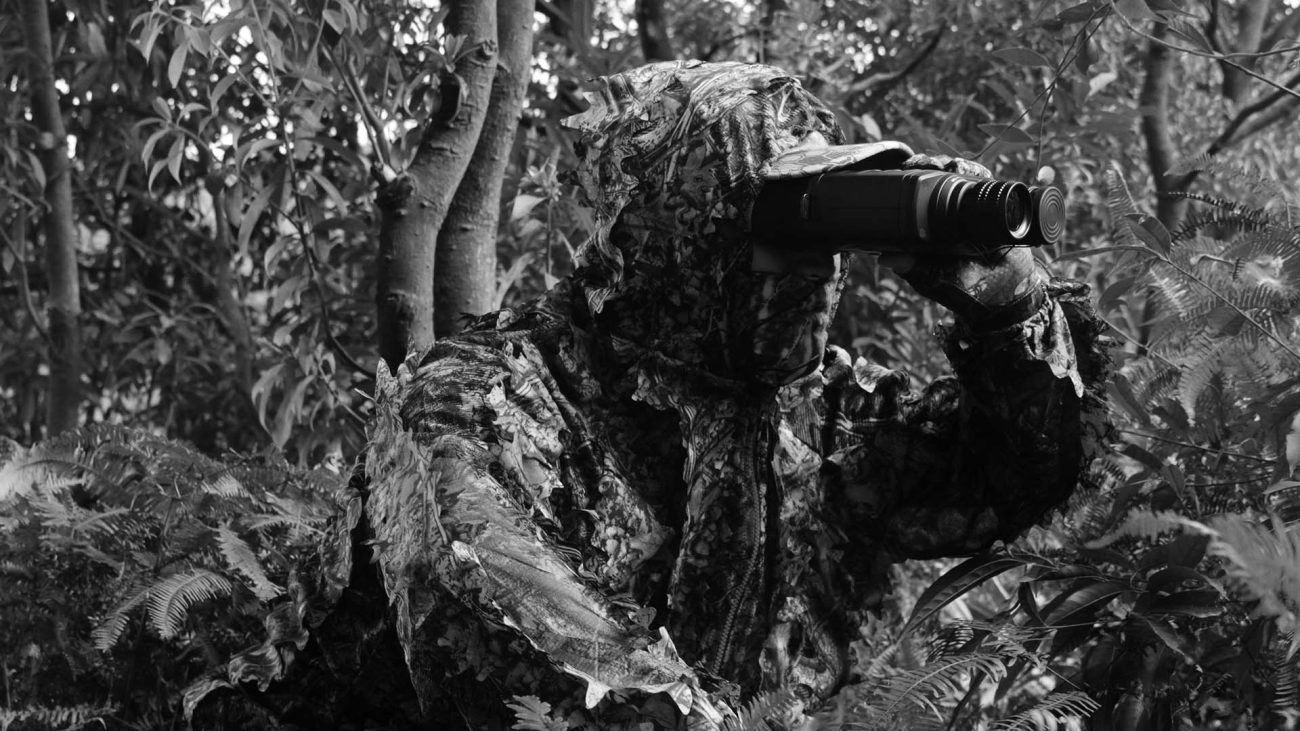
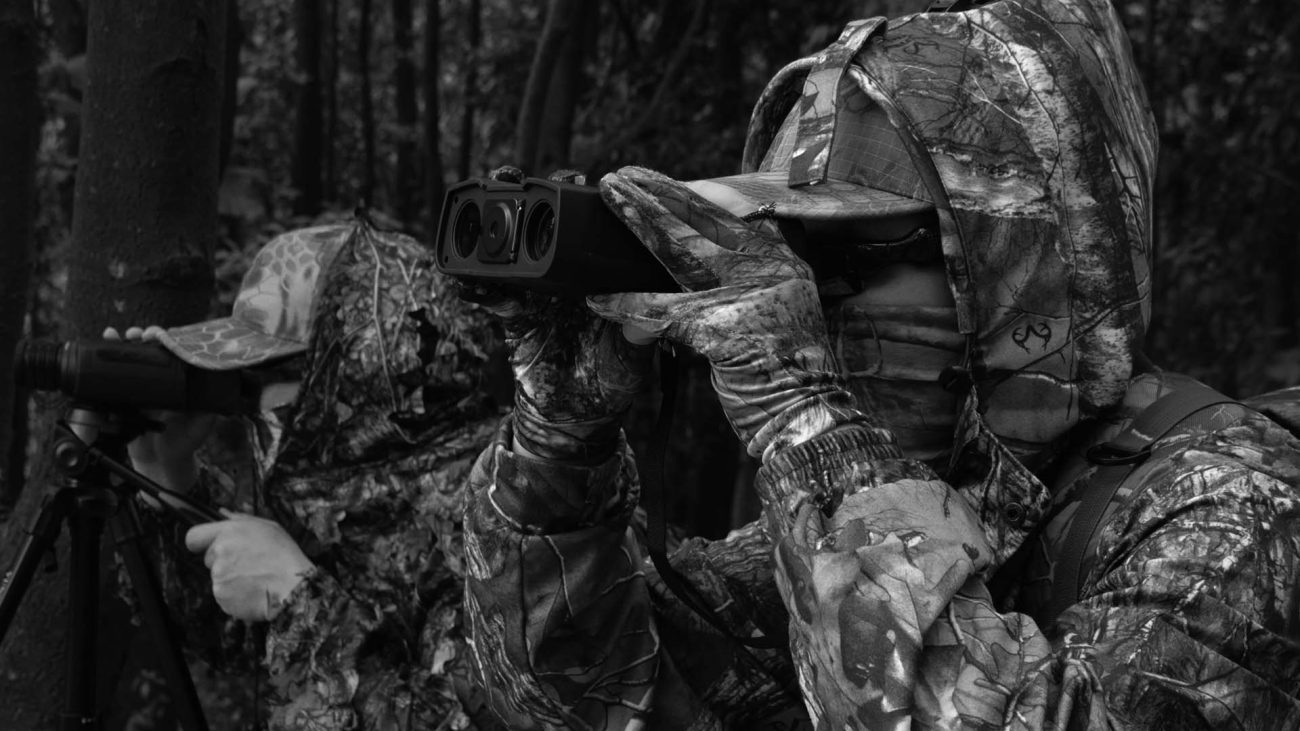
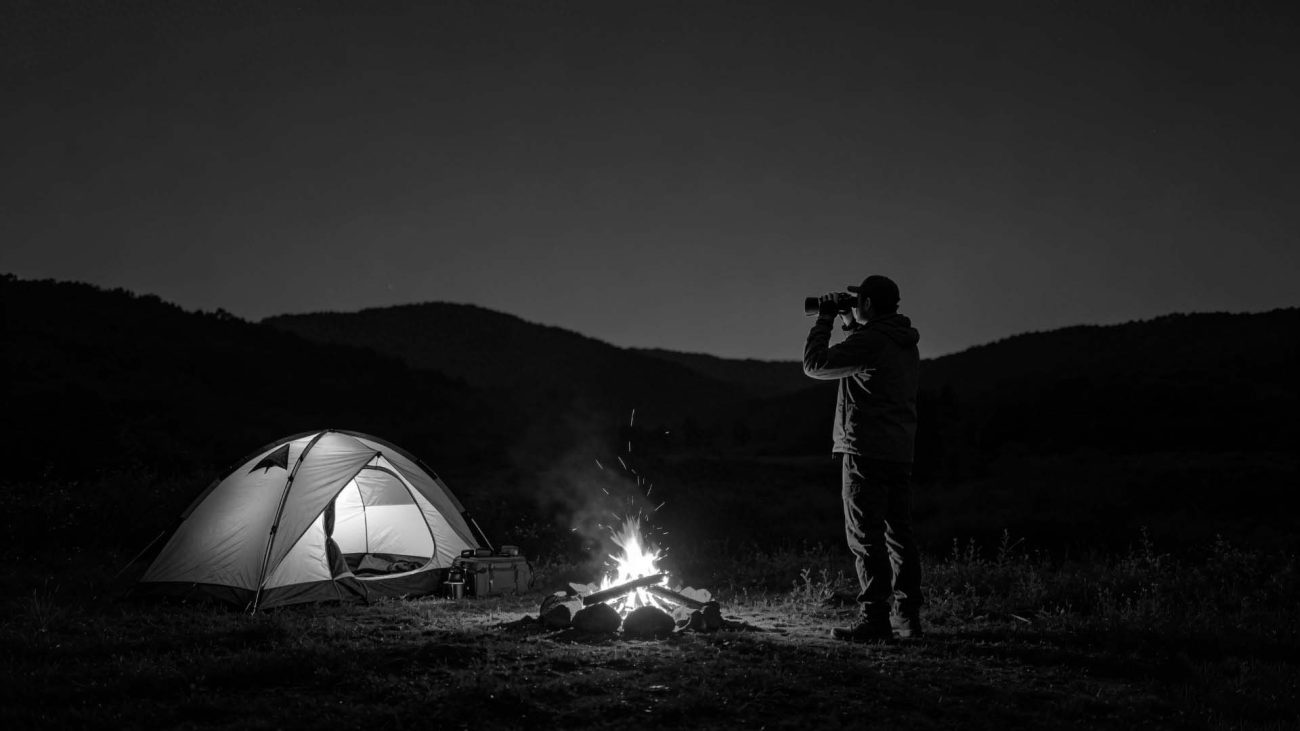
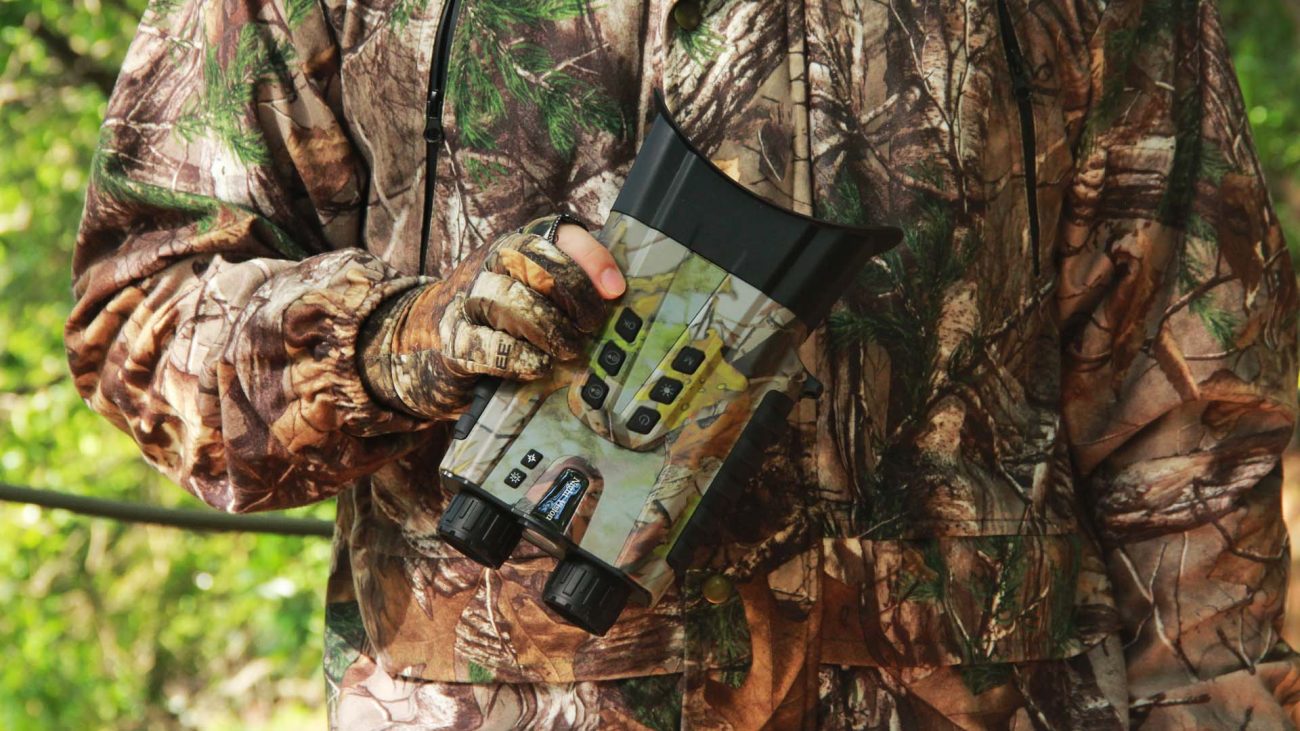
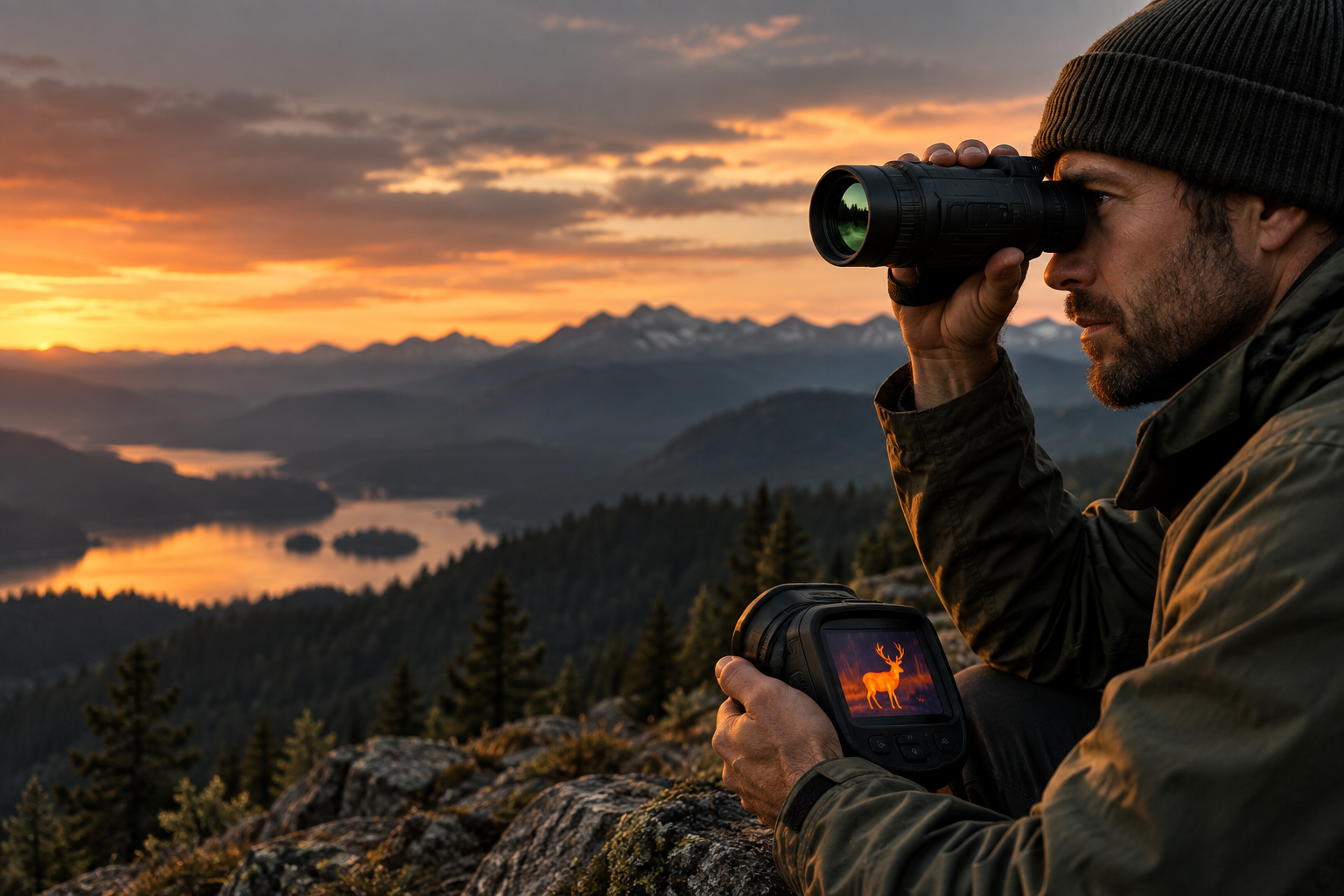
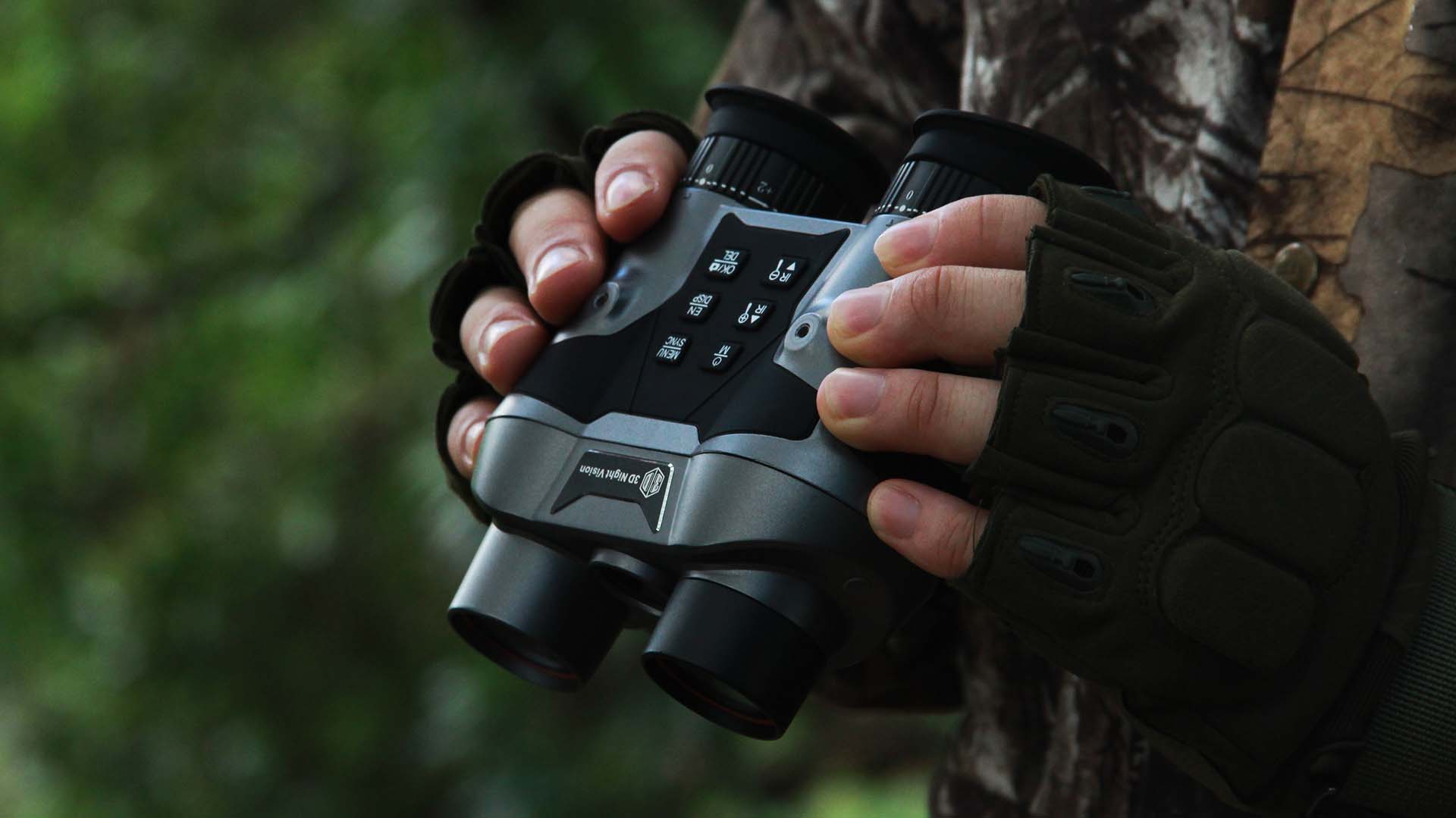
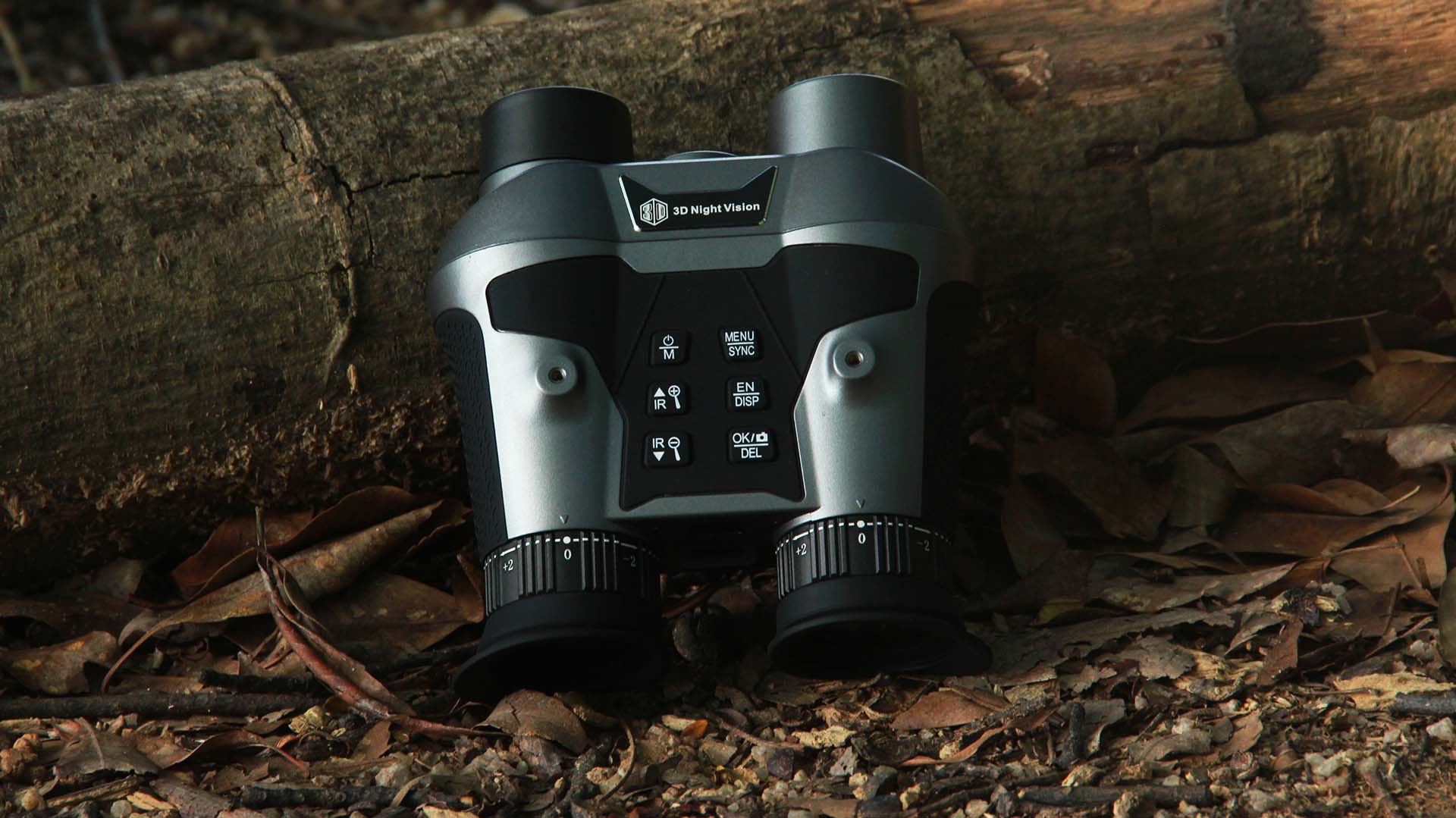
Digital high powered night vision binoculars are binocular-style observation devices that use a digital sensor, display, lens system, and often an infrared illuminator to help users see in low-light or dark outdoor settings. In a B2B sourcing context, “high powered” should be treated as a claim to verify through sample footage, viewing distance, battery use, and image stability rather than a phrase to accept from a catalog.
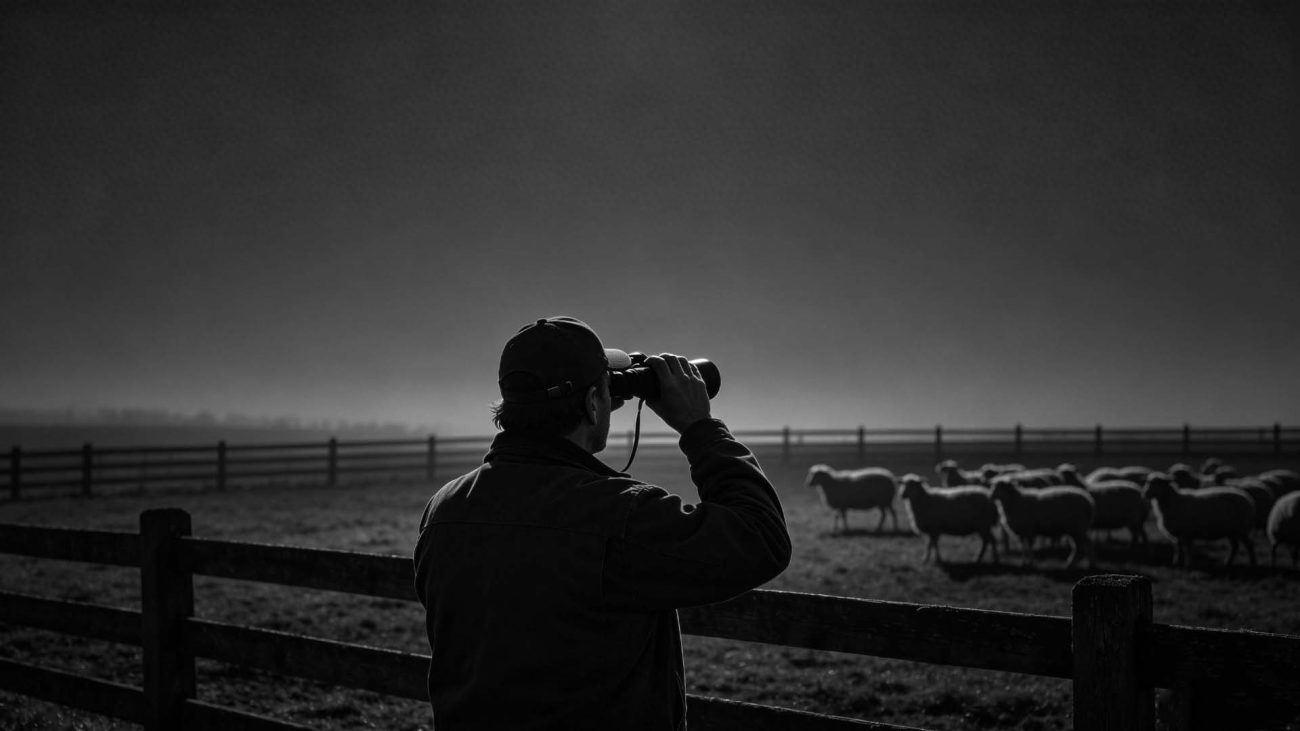
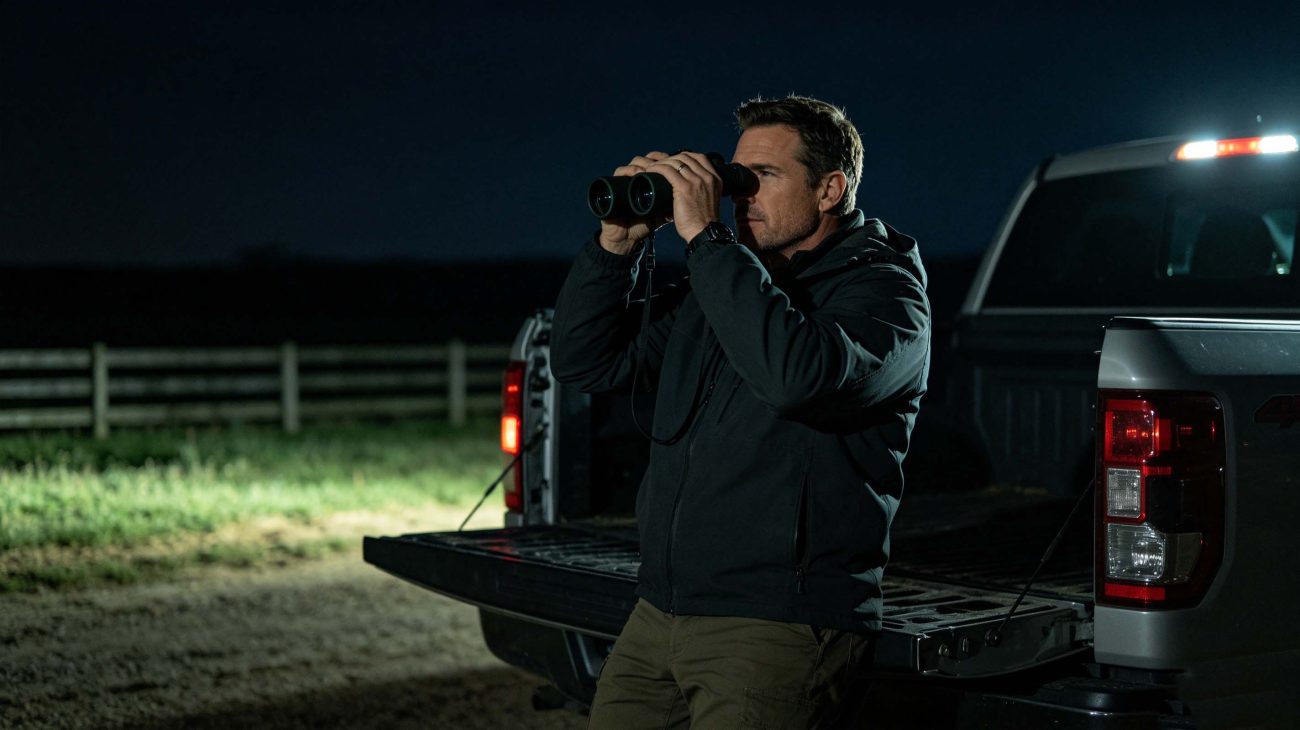
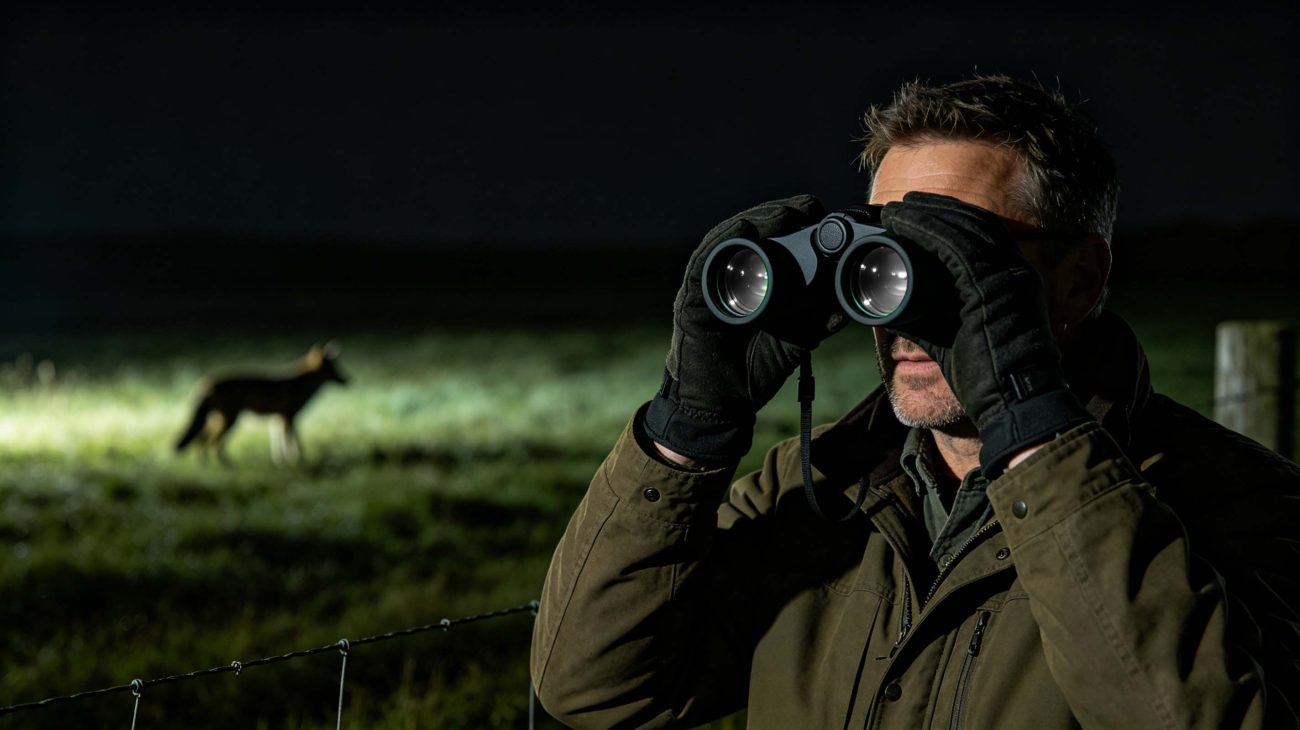
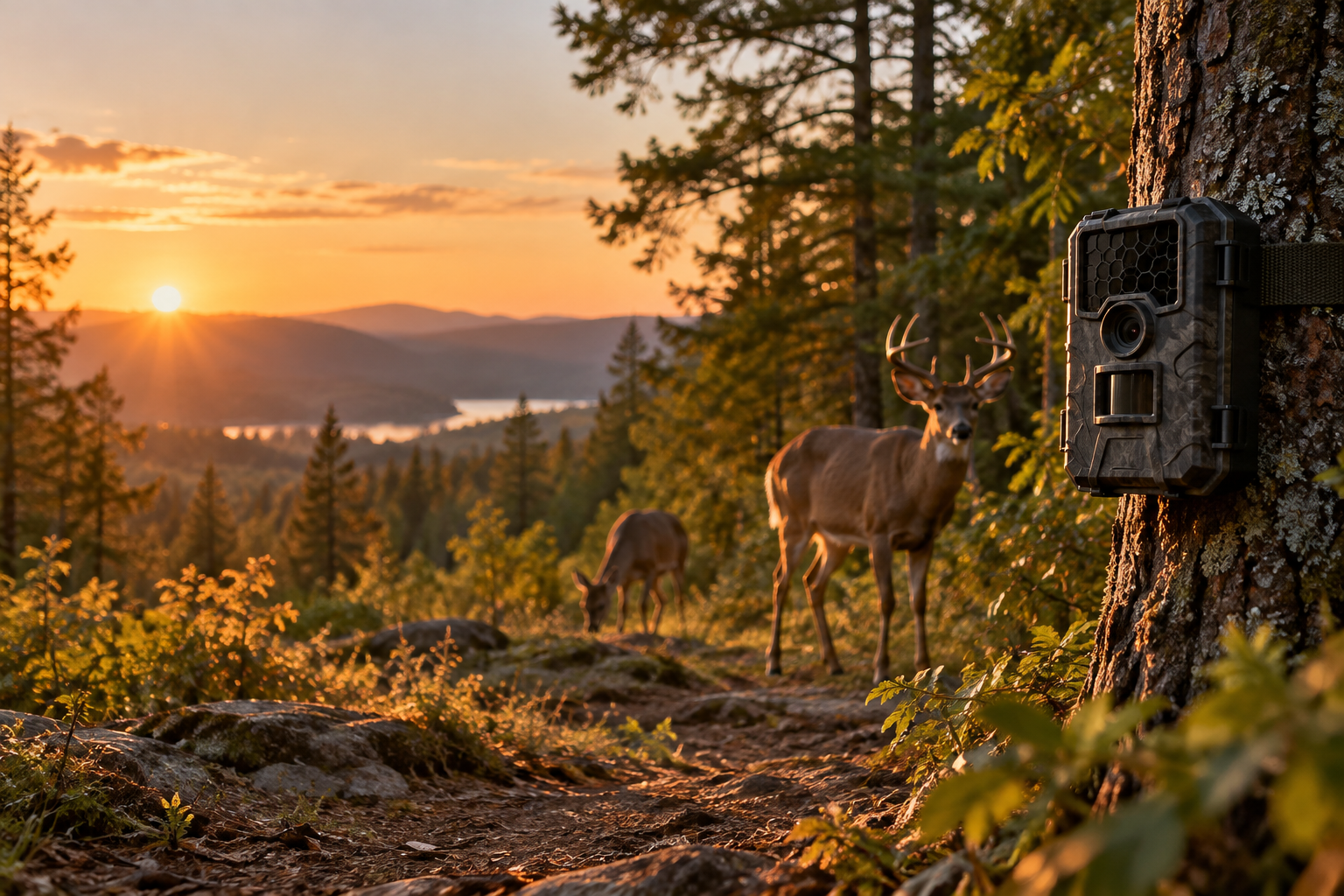
For farm property monitoring, the product is usually used for active observation: checking a pasture edge, barn approach, driveway, livestock area, feeder, or boundary line. It does not replace unattended recording from a trail camera, and it does not detect heat like a thermal unit. This distinction helps outdoor stores recommend the right product without overstating one category.
Where MinMax Outdoors Fits as a B2B Supplier
MinMax Outdoors works as a B2B outdoor optics and outdoor monitoring supplier for buyers building practical product lines, not only one-off consumer purchases. The product relationship includes night vision binoculars, night vision goggles, night vision monoculars, thermal imaging monoculars, rangefinder binoculars, hunting rangefinder products, trail cameras, time lapse cameras, digital binoculars camera options, solar panel kits, digital telescope products, spotting scope products, security alarm system accessories, night vision clip products, and broader outdoor gear.
That connected range matters for outdoor stores and distributors. A customer who buys night vision binoculars for a farm may later need solar-supported monitoring, range measurement, or heat detection. A supplier that understands these adjacent categories can help the buyer plan a more coherent shelf, online listing, or seasonal outdoor monitoring bundle.
Decision Logic: How to Choose for Farm Property Monitoring
Start with the monitoring task
If the end user needs to actively scan lanes, gates, barns, or open pasture after dark, digital binocular night vision is a reasonable category to test. If the user needs unattended images, a trail camera may be better. If the user needs heat detection through brush or total darkness with no visual detail, a thermal imaging product may fit better.
Move from sample proof to buying decision
The sourcing path should be simple: define the farm scene, request a sample, test near and medium distance, review battery behavior, confirm packaging, then discuss wholesale pricing. This sequence keeps the buyer from approving a bulk order based only on resolution claims or product photos.
Confirm documents before the order is packed
Certification and compliance should be handled with careful language. Buyers should ask the supplier to verify which documents apply to the exact model, battery, charger, wireless function, label, and destination market. For battery-powered electronics, the U.S. Consumer Product Safety Commission battery standards topic page is a useful reminder that batteries, chargers, and finished products should be considered as a system.
Supplier Evaluation Matrix for a China Wholesale Bulk Order
| Buying check | What outdoor stores should request | How it affects the order decision |
|---|---|---|
| Farm-scene sample proof | Night footage from gates, barns, field edges, or driveways | Confirms whether the view is useful in the real scenario instead of only in a bright showroom. |
| Infrared control | IR level details, close-range glare notes, and practical recognition distance | Helps the store explain performance clearly and reduce returns from overpromised range claims. |
| Battery and charger package | Runtime estimate, charging method, included cable or charger, and document availability | Protects the buyer from hidden accessory costs and unclear safety responsibilities. |
| Housing and handling | Water resistance notes, grip, tripod compatibility, menu layout, and button feel | Farm users often wear gloves or work near dust, dew, or light rain, so handling matters. |
| Wholesale packaging | Box design, manual language, barcode needs, carton marks, and sample packaging photos | Retail-ready packaging helps outdoor stores move from test order to repeat order. |
| Category expansion | Related options in goggles, monoculars, thermal imaging, rangefinders, trail cameras, and solar kits | Allows buyers to build a broader outdoor monitoring offer instead of sourcing each category separately. |
Industry Mini Case: Outdoor Store Testing a Farm Monitoring Offer
An outdoor store preparing for the fall season wants to test a small run of digital high powered night vision binoculars for local farm owners. The main concern is not whether the model looks impressive on a product page. The store needs to know if customers can recognize movement near a barn entrance, check a pasture edge, and scan a long driveway without struggling with glare or short battery life.
The practical move is a sample order with three checks: outdoor footage at known distances, packaging review for retail display, and document review for battery and charger details. If the test is acceptable, the store can discuss a China wholesale bulk order and add related products such as solar panel kits for monitoring setups or rangefinder binoculars for customers who also need distance measurement.
When Not to Choose This Product Type
Digital binocular night vision is not the right answer for every farm monitoring need. It is not the best fit when the buyer needs unattended photo capture, cellular alerts, or time-stamped movement records; those needs point toward trail cameras or time lapse cameras. It is also not the best choice when the main problem is finding heat signatures in complete visual obstruction; thermal imaging should be compared in that case.
Buyers should also avoid approving a bulk order if the supplier cannot provide usable sample evidence, clear accessory details, or packaging information. Low price alone is not enough for outdoor stores because customer returns, unclear manuals, and weak nighttime performance can cost more than the initial saving.
Verification Note for Buyers
Before confirming a wholesale order, ask the supplier to verify sample footage, IR range conditions, battery and charger information, included accessories, packaging artwork, carton details, lead time, and any documents relevant to the exact model. If the product includes wireless or app-connected functions, buyers should also confirm the applicable RF compliance path. The FCC equipment authorization dataset page is a useful reference for why RF-device authorization questions matter before marketing or import decisions.
Outdoor use also requires responsible expectations. The National Park Service night skies resource explains why natural darkness and nocturnal environments matter. For product content, that means buyers should avoid encouraging careless light use and should explain that infrared-assisted observation is still part of a real nighttime environment.
 FAQ for Outdoor Store Buyers
Are digital high powered night vision binoculars suitable for farm property monitoring?
Yes, they can be suitable when the buyer needs active observation of gates, barns, field edges, livestock areas, or driveways. The key is to verify image clarity and IR behavior in similar farm scenes before a larger order.
What should a sample order include?
A useful sample order should include the device, standard accessories, packaging sample or photos, basic manual, battery and charging information, and any available documents for the exact configuration. The buyer should test it outdoors at night, not only indoors.
How should outdoor stores compare wholesale pricing?
Compare pricing against the full package: sensor quality, IR control, battery system, housing, accessories, packaging, MOQ, lead time, and after-sales response. A cheaper quotation can be risky if it removes important accessories or support.
Can MinMax Outdoors support private label or OEM/ODM discussions?
Buyers can discuss custom logo, packaging, manuals, accessory sets, and product line planning with MinMax Outdoors. The exact options should be confirmed by model and order quantity before production.
When should buyers choose thermal imaging instead?
Thermal imaging is a better comparison when the user needs heat detection rather than visual detail. For example, detecting animals in difficult darkness may favor thermal imaging, while identifying a gate area or lane may favor digital night vision.
Do farm monitoring buyers also need trail cameras?
Often yes. Night vision binoculars help with real-time observation, while trail cameras record activity when nobody is present. Many outdoor stores can sell both as part of an outdoor monitoring product line.
What documents should importers or distributors request?
They should request documents relevant to the exact product, such as battery and charger information, packaging details, quality records, and any applicable compliance files. Claims should be verified by model, not assumed across a whole product family.
What makes this article different from a consumer review?
This article is written for B2B buyers who need to evaluate sample orders, wholesale pricing, packaging, documentation, and repeat-order risk. A consumer review usually focuses only on personal use and does not cover sourcing workflow.
Related Reading
- Night Vision Binoculars
- Night Vision Goggles
- Night Vision Monoculars
- Thermal Imaging Monoculars
- Rangefinder Binoculars
- Trail Cameras
- Solar Panel Kits
- Night Hunting and Observation Solutions
- Wildlife Monitoring Solutions
- All MinMax Outdoors Products
- Send Your Sourcing Requirements
Conclusion: Final Sourcing Advice
The best digital high powered night vision binoculars option for farm property monitoring is the one that survives practical sample testing, not the one with the loudest specification list. Outdoor stores should confirm farm-scene visibility, infrared control, battery behavior, handling, packaging, and supplier response before approving wholesale inventory.
For MinMax Outdoors buyers, the next step is to define the farm monitoring scenario, request a sample, compare related categories, and confirm packaging or private label needs before a China wholesale bulk order. This keeps the purchase grounded in real customer use and gives the buyer a stronger base for repeat sourcing.